Blog Post #6

In Crisis Caravan, Linda Polman criticizes humanitarian aid and how it “helps” individuals in need. Throughout the book she opens the eyes of the readers on how many “humanitarian aid” projects actually do quite the opposite of aiding those in need. When discussing humanitarian aid the two main perspectives of ‘help at all costs, some aid is better than no aid’ or ‘aid fails in its purpose when done improperly’. Many concerns Polman brings up revolve around people helping for the wrong reasons, misinformed journalism, and money being spent on things other than what it was intended for. All of these can be seen in the Rwanda crisis that occurred in the mid 90s. Looking back many people can agree that the support from humanitarian aid groups only prolonged and provided funds to the crisis going on in Rwanda. Outside help going to Rwanda was highly misinformed due to false journalism.

Image result for Crisis caravan

Many organizations went and advertised for donations because they believed the Hutus to be innocent victims of cholera. For this reason, money was misfunded and unknowingly went to the support the Hutus in their quest for the mass genocide of the Tutsis. However, this did not go unnoticed by every organization when they got there. MSF France decided to leave the humanitarian aid hub of Goma in 1994 and declared that “aid only perpetuates the situation in Goma”. They began to realize that at this point, no help was better than some help. I imagine this being a tough decision to make, but sometimes the best decisions are the hardest ones to make. However, MSF France’s decision to leave had little impact and if any hurt the company’s reputation with many countries criticizing the decision. This is where the humanitarian crises became much more political. The way these NGOs thrive is through increasing contracts. These contracts provide the funds for the organizations to provide aid and get their company name out there. No one would have paid to attention to organizations leaving due to protest and would have only hurt their contracts in the long run. Organizations also pose the risk of missing out on donor governments providing financing to their next aid project if they are seen backing out of a crises. At this point in Goma it became an issue of “feed the killers, or go under as an organization.” At the end of 1995 the camp in Goma boasted a 2324 bars, 450 restaurants, 590 shops, 60 hair salons, and many more amenities including 3 movie theatres and 2. In the case of the Rwanda crisis it is clear to see that humanitarian aid funded the Hutus, and without it, the war would have gone nowhere.
Another issue countries requesting aid face is dealing with unwanted but well intended gifts. These unwanted gifts can fill up logistic hubs and end up becoming more of a hassle than a benefit.

Image result for bad donations to africa
A mountain of clothes donated to Africa.

For example, what are African children going to do with 10,000 winter coats, that’s right, nothing. In these cases sending nothing would be a better alternative to not waste volunteers’ time sorting unusable goods. Everyone wants to have the reputation of donating goods to look to their consumers, however their good intentions can not be so good. A few examples of this include Cambodian refugees receiving food so old, even zoo animals wouldn’t eat it, a New Zealand manufacturer offering to send dog food to Kenyan children, and worst of all The European Commission sending radioactive contaminated food supplies to Africa. It may sound good to help, but in reality a lot more damage is done in these situations. This sends the message to refugees “Oh we care, but we don’t care that much.” Companies send out these offers to boost their own egos, but end up making fools of themselves in the process.
In the Afterward section of Polman’s book she describes aid organizations as if they are businesses dressed up as Mother Teresa. She says this because NGOs make decisions where to work primarily based on availability of contracts, not based on ethical considerations. The previous statements in this post back up why she believes they are businesses in disguise. At the end of the day these NGOs have their own agenda that they would like to fulfill and sometimes monetary gain comes over those who are truly in need.
Moving forward with upcoming humanitarian crises, the public needs to be well informed on where there dollars are going. Journalists owe it to the public to provide accurate reporting in situations going on across the world. We have enough “fake” news as it is, and we do not need inaccurate information being spread amongst the public.
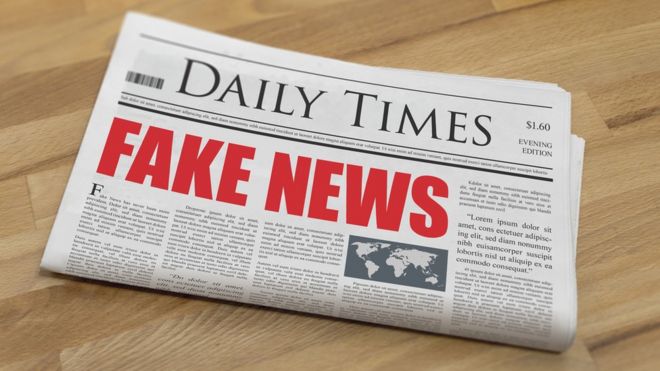
Image result for fake news

If someone genuinely has a passion to help people they should do their research to make sure their money is actually helping those they intended it to, instead of going to a Somalian drug lord instead. Finally, it is up to the governments of the world to ensure that the amount of humanitarian crises that occur is kept to a minimum. When it does come down to the situations like Rwanda, actions, including force, may need to be taken to ensure stability in the long run. However, we have seen cases where doing nothing may have been for the better. So the role that the government must play is still fuzzy, but something needs to be done.

Polman, Linda, et al. The Crisis Caravan: Whats Wrong with Humanitarian Aid?Picador, 2011.

Post #6-Haiti

Image result for the crisis caravan

            Some of the principle concerns that Linda Polman, writer of The Crisis Caravan, has an entire chapter dedicated simply to how the misuse of funds can aid a war. She gives many examples, talking about how warlord would force humanitarians to give them a certain percentage of their help that they came to give. Often times, groups of rebels or militia would hide out of the road every few miles and would lay out wooden planks with nails and wouldn’t let you by without some sort of donation, which could easily just be a loaf of uncut bread or a bag of rice. One of the principle concerns of Polman involves how the organizations that donate aid towards affected areas like Eastern Congo, Liberia, and Afghanistan would actually have to donate a certain amount of funds towards the tyrants in the area, or they would be killed. In certain cases where these organizations would try to setup a center for help, tyrants or warlords in the area would hike up prices to generate more revenue, so that any volunteers that would pay for say lodging and food and shopping would actually be helping the extremist forces that caused the mess the aid organizations were trying to help. The most alarming thing that comes about this can be related to what is known as the trickle-down effect, where something happens at the beginning may affect the end. The reason I bring it up is because it seems that anyone involved with the process of helping those who need it in aid organizations takes their own fair share of the money or supplies, including both warlords and the aides themselves. Whatever is left over is given to those who truly needed the original amount of supplies and help, because the rest was taken by those who don’t need it.

Image result for the crisis caravan

           The reason that Linda Polman says that “aid organizations are business dressed up like Mother Teresa” is because of the fact that these organizations are actually dressed up or made to look like they are using all the money that they have to help the people. For warlords who need to feed their soldiers with these food or supplies given by these organizations, the aid agencies will look like Mother Teresa more and more. Polman explains how journalists automatically approve of any aid organizations in developing or war-stricken countries, because the aid organizations are doing good work. But if there was an organization that was setup in say England or America or Netherlands, then journalist would question every single aspect of the organization, from whether or not the volunteers have certificates for their jobs to how much each person was going to be paid and whether or not any money was being siphoned by higher ups. The reason Polman says that aid organizations are dressed up like Mother Teresa is to make them look like everything that they have is being used the correct way, but in reality, most of what they have is not. Consider the previous part about warlords in Eastern Congo or Liberia, who would demand something close 30% or more of the organizations funds to even be allowed to setup and help the people they were there for. Aid organizations don’t outright say these things, and in fact refuse to acknowledge that they essentially have to pay their way into the zones that they are trying to help. As mentioned above, warlords and organizers take what they want before any help can be given out to those in need.

            What journalists, the public, and the government have to do to make humanitarian aid more successful is demand that they explain exactly just how and where all the money that they the spend goes, and to who it may benefit. At the same time, what we can do is ask the aid workers questions. Ask them who they help, and how exactly they benefit. Ask them if when they supply food to people, is it warlords, innocent victims, or maybe both of them? Ask them why is it that their funds and supplies and money often times goes “missing”. If they happen to mention how warlords take portions of all of the above, do they know that they are basically funding a war? If anything, these aid workers would eventually have to admit that it is near impossible for them to keep track what they end up giving to the warlords, in exchange for safety and permission to help those in their controlled area.

Post #5

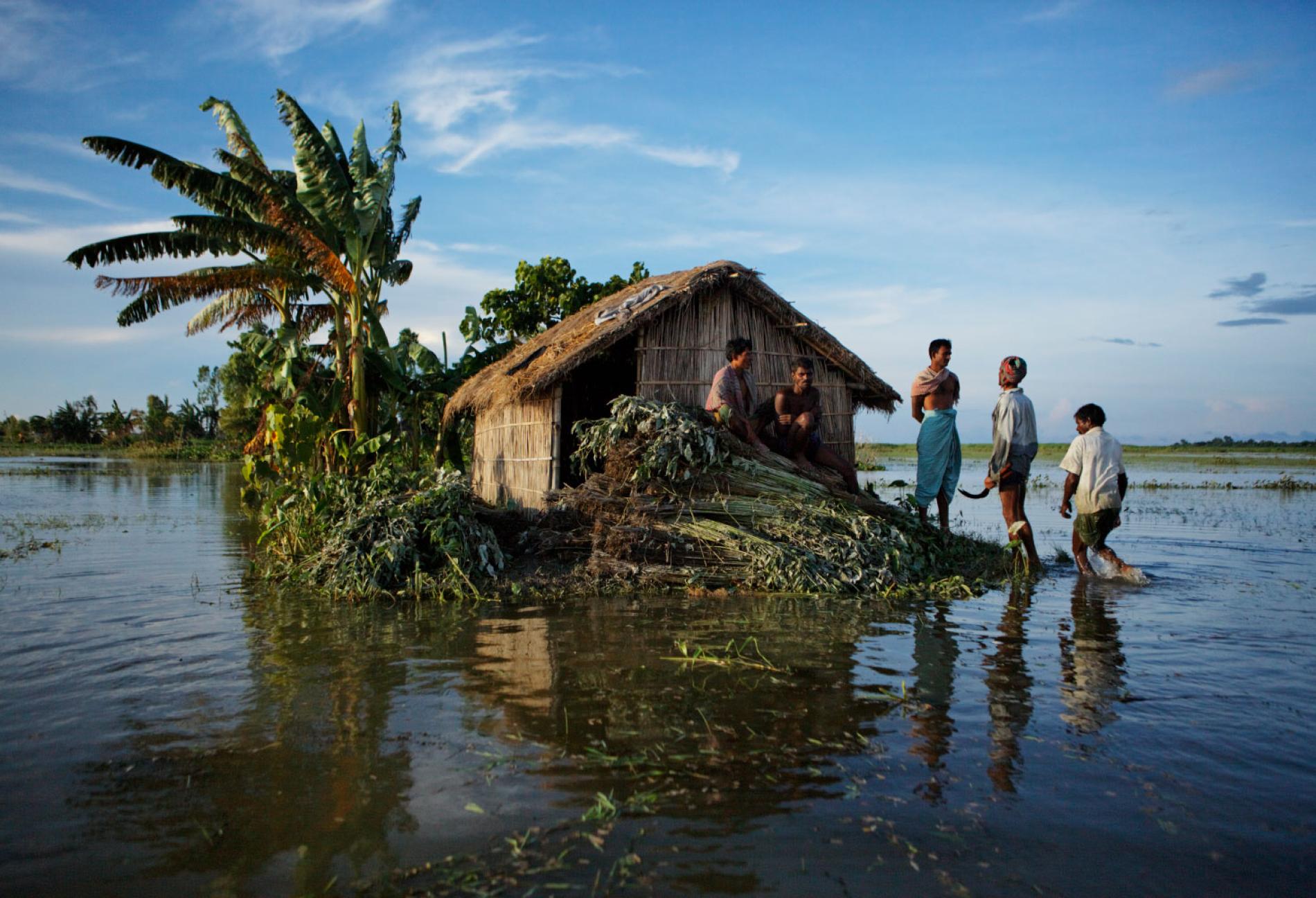
When it comes to the topic of climate change, one of the often overlooked consequences is that of the threat to human rights. As I discussed in last week’s post, the issues regarding climate change that seem to take center stage in today’s media are largely environmental. You will hear people protest about the damage that we are doing to our planet, but what about the people who are directly affected by those changes?

Which human rights are most affected by climate change? According to a report from the Office of the High Commissioner for Human Rights (OHCHR), there has been an increase in frequency of “extreme weather events and natural disasters, rising sea-levels, floods, heat waves, droughts, desertification, water shortages, and the spread of tropical and vector-borne diseases…” All of these byproducts of climate change have a profound effect on several human rights, such as “rights to life, water and sanitation, food, health, housing, self-determination, culture, and development.”

The right to life is laid out in the Universal Declaration of Human Rights as the “right to life, liberty, and security of person.” Nearly every nation state has committed to the International Covenant on Civil and Political Rights (ICCPR), which says that “every human being has the inherent right to life.” However, as the effects of climate change become more pronounced, they pose an increasing threat to the right to life. When large countries and large corporations are polluting the earth at a much higher rate than people who live on small island nations, and are responsible for the natural disasters caused by climate change that can kill so many, are they indirectly posing a threat to those people’s right to life? Along with this, as climate change can force certain populations to move from their native land, only out of the necessity of survival, it poses a direct threat to people’s right to self-determination.

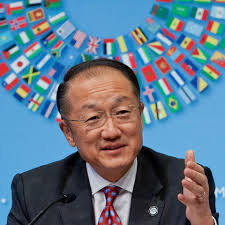
The right to human development is significantly hindered due to climate change as well. In the words of former World Bank President, Jim Yong Kim, “unless the world takes bold action now, a disastrously warming planet threatens to put prosperity out of reach of millions and roll back decades of development.”

Climate change will also affect many people’s right to food. The UN Declaration of Human Rights contains the right to be free from hunger. Rising temperatures across the globe expose vulnerable areas to the deadly conditions of famine. Many areas have experienced desertification, water shortages, and untenable soil making it difficult to produce enough food for everyone. According to the Intergovernmental Panel on Climate Change, “climate change is projected to reduce renewable surface water and groundwater resources in most dry subtropical regions… intensifying competition for water.” According to a World Bank report, a 2 degree celsius rise in average global temperatures could result in one to two billion people no longer having a sufficient supply of water.

The range of human rights that climate change threaten expands to include the rights to health, housing, education, and the rights of future generations.

We will be most impacted as a species when climate change becomes such an issue that entire cultures will go extinct. When a species as a whole loses a culture, we don’t just lose individuals, we lose a way of life, ideas, languages, and diversity. Cultures that become endangered are on average more likely to be located in areas that are most affected by climate change. Some of these cultures include: Siberian indigenous groups in Russia, the Innu in Canada and parts of the arctic circle, the Guarani in Brazil, the Maasai in Kenya, and the San people, who roam the Kalahari in Botswana. Losses of cultures are a loss to all of humanity.

Blog Post #5

Dr. Elizabeth Lindsay’s Ted Talk on ancient wisdom definitely provided some good moral lessons on how we should view our lives.  On the other hand, I found the inclusion of this video with the question, “What does climate change have to do with human rights?”,  to be a poor pairing. The video ever so slightly hinted at climate change in the quote “to remember that we are enough, just as we are”.  In my own interpretation, I think it’s saying that we don’t need all these materialistic things to be happy, that the overproduction of these goods, that we as consumers love, is taking away from what it means to be human and is hurting our planet.  The video does not do justice in answering the question of what climate change has to do with human rights, so I will try my best to answer the question.

A simplified version of the 30 human rights according the UN can be found here  [1] .  Out of these 30, the ones that stood out to me that could be affected by climate change include the Right to Life, the Right to be free from Torture, and the Right to food, water, and shelter.  By disrespecting and not caring for our planet, we rob some of our global citizens of these rights.

Image result for 30 human rights

Due to rising sea levels, people’s right to life is being infringed upon as their homes are be swallowed by the oceans, just like the nation of Kiribati. The right to be free from Torture is also violated when communities have to watch their once beautiful environments be destroyed with pollution.  It can be psychologically damaging, especially for indigenous people, to witness the destruction of their land and waterways, to which many hold sacred. Finally, bringing it back to El Salvador, the right to water being violated. The greed of the country’s politicians blocking off one of the most basic human rights, water. If we could remember that we are enough just as we are, greed and that desire for more would not cloud our minds when it comes to the well being of each other and our planet.

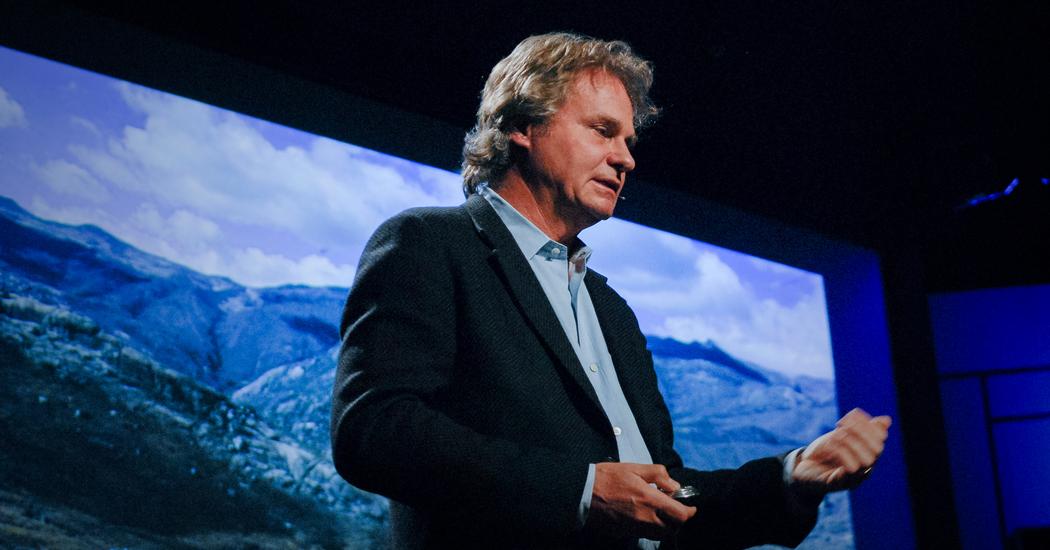
Endangered cultures are cultures that are threatened by the rise of globalization and the power that the main contenders in the world have.  I believe Wade Davis said it best, and it was somewhere along the lines of “Power threatens the ethnosphere, not technology or change”.

Cultures have adapted to change before and have thrived.  As discussed in class lecture, native tribes don’t hate technology, they hate what it does to their culture. The Cherokee have embraced technology and are utilizing in ways that some could argue that brings more life to their culture in this modern era.  Globalization and the rise of the west have led to this sort of entitled power. The American way of “it works for us, so you have to do it too” has led to the destruction of cultures as the American “culture” has spread across the world. It was interesting to hear from Wade about how different tribes were wired differently based on their surroundings being raised, how some indigenous people would speak of plants whispering to them.  Growing up and living with these different mindsets and perspectives gives people the ability to live their lives in ways that seem unimaginable to many.

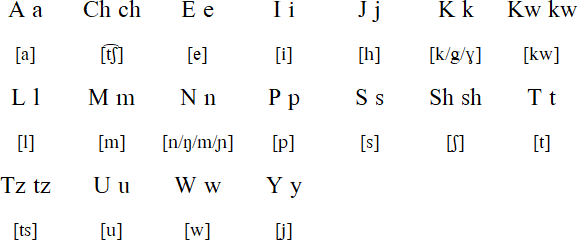
In El Salvador, one of the endangered cultures is connected to the Nawat language.  As of 2009 there were approximately 200 speakers left in El Salvador.

Image result for nawat language
Nawat Alphabet

One small elementary school in the town of Izalco, teachers took it upon themselves to begin teaching the Nawat language to students starting in 2002 in an effort to keep the language alive.  I think one of the most shocking things to hear is about all the culture that is lost when one of the few remaining elder speakers dies. When they die, not only does their physical body die, but a part of the history and culture die as well.

Eurocentrism is a worldview biased towards Western civilization.  The United States for example is very ethnocentric, which in Noor’s words are “tendency of individuals and cultures to view themselves as well as the environment around them from the perspective of their own culture, values, and beliefs”.  This is an issue I believe the majority of Americans have as from a young age we are told we are the greatest country in the world. Not until we are older do we realize that everyone’s life perspective is different from our own.

Blog Post #5

Dr. Elizabeth Lindsey

The first video that I watched was a Ted Talk with Dr. Elizabeth Lindsey. She discusses the drastic differences of the viewpoints between the elders and people now. The elders that she discusses are happy with what they have, and are not in any hurry to get anywhere or get things done. Whereas people now are always rushed to get somewhere or get something done by a deadline. This is interesting to think about because we often do not stop and think about how differently we see the world compared to others. We are also always concerned about getting the hot new thing, whether it is a game, a clothing trend, a car, a new phone, etc. when what we currently have works just as well. Where do those old things go that have been replaced? Often the trash. We want to get it out of our lives and move on with the next big thing so quickly that we don’t think about where our old stuff ends up, and this is partially why we are killing our planet. We don’t think about the consequences of our actions. 

Climate change is a threat to human rights. When Dr. Elizabeth Lindsey was talking, she discussed how the elders view the earth versus how other people view the earth, like discussed above. Western cultures are causing climate change way more than indigenous tribes and other cultures besides in the west. But these actions are affecting everyone, not just western cultures. Because of our relatively relaxed freedoms now that are ruining the earth, people in the future are going to have less freedoms and less human rights, because of lack of clean water and air, and availability for food. These are basic human rights, but climate change Is going to majorly affect these issues in the future. 

The speaker in the second Ted Talk discusses endangered cultures, and how when an elder of some cultures dies, they often take with them the last bit of a language or a culture that has since changed. The elders in a culture are often the last to know about information because they aren’t teaching it to the next generation. People are becoming more interested in taking part in western culture that they forget about other cultures. The speaker also discusses the loss of languages over time and how quickly languages can become extinct. 

I agree with the speaker, and that it is important to preserve these cultures because they often have a different way of viewing life and the world than our western society. I think that if we learned about these other cultures, we would be more open minded about things. We should be able to listen to what people have to say, even if we may not agree with them, because it broadens our knowledge. 

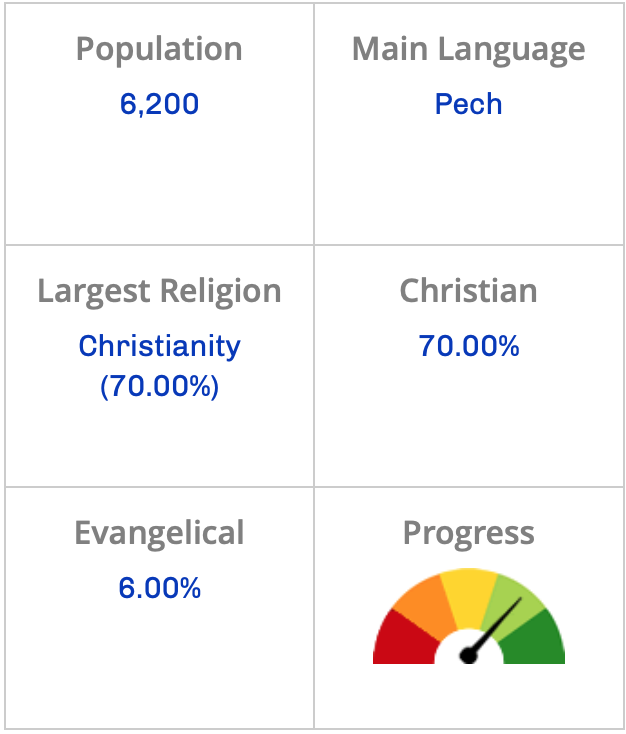
The Pech People Population and Religion

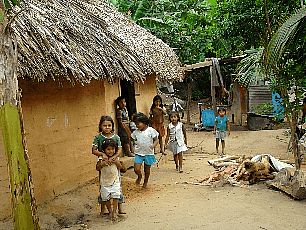
After doing some research on endangered cultures in Honduras, I did not find any that were in immediate danger of extinction, but I did find many cultures with very low population numbers. One websitedescribes some indigenous cultures in Honduras, and their legal issues with the Honduran government. I found an indigenous tribe named Pech with 3,848 people, and Tawahka with 2,463 people. It is possible that within the next century, one or both of these cultures may be extinct or close to being extinct. The website goes on to discuss how these cultures, and others, gained attention from the Honduran government to receive rights and territory for their people, along with education and other services. 

Pech Children

Eurocentrism, in the words of Farish Noor in Dealing with Human Rights, “…denotes the emerging perception within the European cultural, historical experience of European identity as good and all other forms as less good or less advanced”. Western societies tend to have an ethnocentric view on life, and it can become extremely toxic to think in this way. It is important to stop thinking about ourselves only, and consider the fact that there are way more people out there that have different cultures, views, ideas, and ways of life that are different from western culture. We have started thinking that there is a right and wrong way to view something, but in reality, this is not true. Many people can have different views on one thing, and they can all be right at the same time. 

Sources cited

http://unsr.vtaulicorpuz.org/site/index.php/documents/country-reports/148-report-honduras

https://joshuaproject.net/people_groups/14349/HO

Blog Post #5-Haiti

Image result for climate change
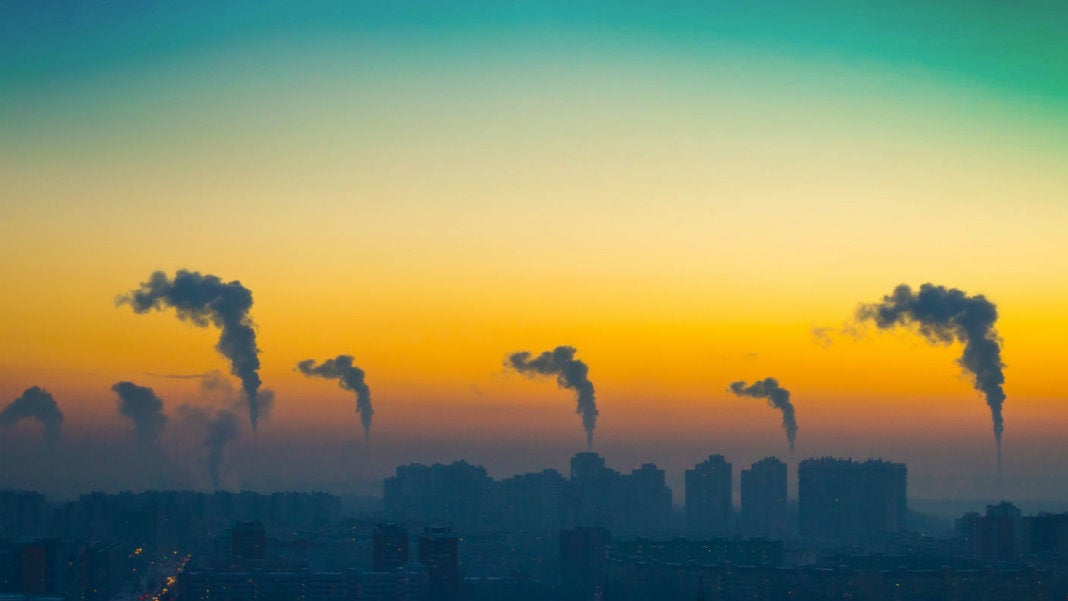
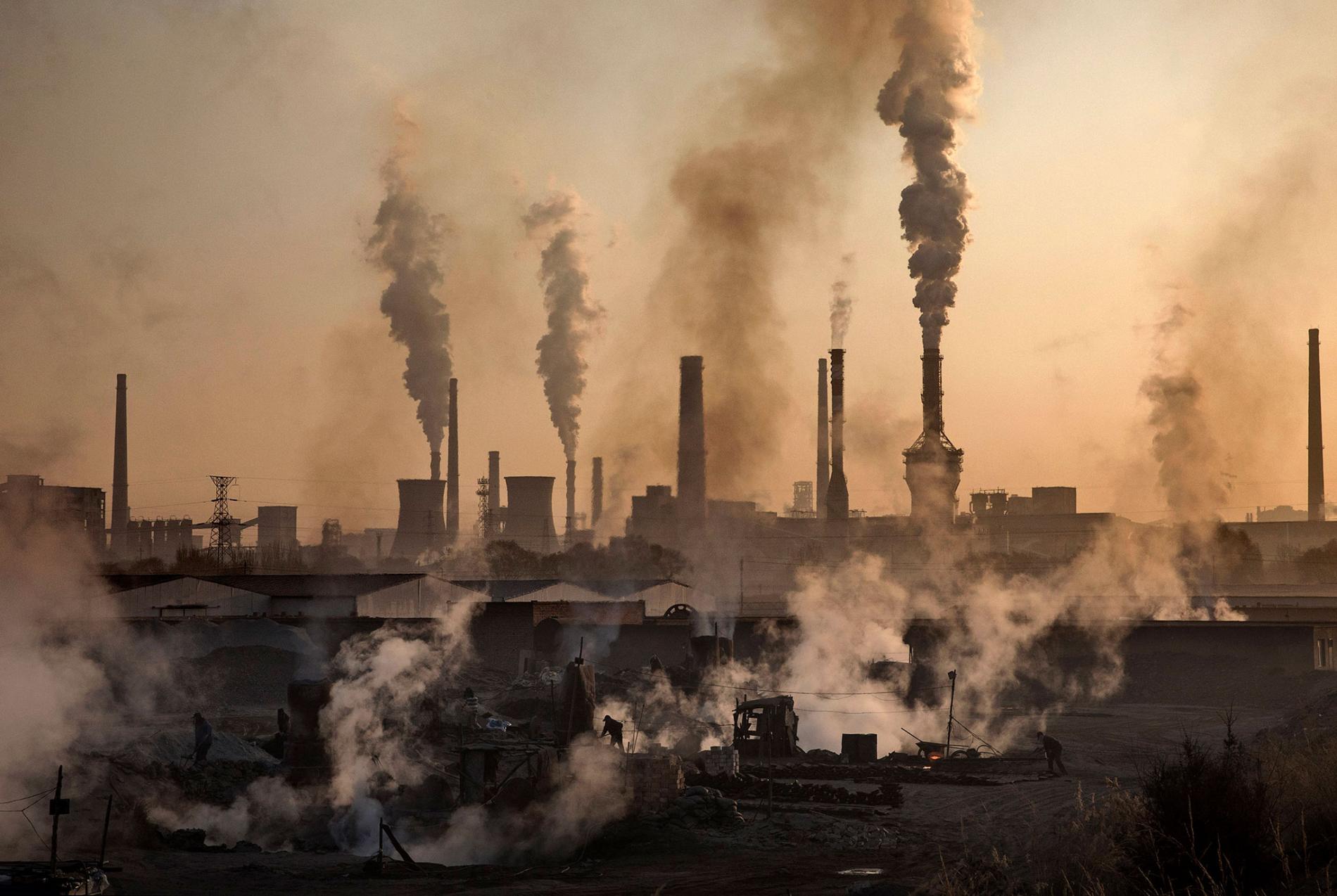
China is the second biggest polluter in the world

            Climate change can be linked almost directly to human rights. For one part, without respecting one another, how are we supposed to respect the world we live in today? Dr. Elizabeth Lindsey talks about how certain cultures would use different attributes of the earth, like the winds and the rain and the ocean, to mend certain things. Even then, according to the Human Rights Office of the High Commissioner, they stated that “increasing frequency of extreme weather events and natural disasters, rising sea-levels, floods, heat waves, droughts, desertification, water shortages, and the spread of tropical and vector-borne diseases as some of the adverse impacts of climate change. These phenomena directly and indirectly threaten the full and effective enjoyment of a range of human rights by people throughout the world, including the rights to life, water and sanitation, food, health, housing, self-determination, culture and development.” The last part about the culture and development can be related back to what Dr. Elizabeth Lindsey was talking about during her TED speech. She spoke on the changing climate of the world would often take with it the cultures around it, and those could be lost forever if we don’t change. Some of the more stark things that are mentioned by the Human Rights Office of the High Commissioner include how the right to life, clean water, housing, food, which are all basic needs in life, can be infringed upon because of the climate change. Humans are used to devastating hurricanes and killer wildfires, or even just the over-fishing or pollution we cause.

Image result for haiti rubble

After World War II, almost all nations in the world came together to create a list of unalienable Human Rights, things guaranteed to each person. The list allows a person to live with dignity and freedom and allows equality and justice between all. Climate change can be a reason for some of the rights to excluded for some. Consider nations that are more prone to natural disasters, such as earthquakes, hurricanes, flash flooding, tsunamis, etc. These nations are at a constant disadvantage, because clean water, housing, and food are almost never available, even though these are basic human rights. Specifically, for my nation, Haiti, they are at a severe disadvantage because of being the poorest nation in the Western Hemisphere. Clean water and food are one of the most, if not the most, difficult thing for anyone to find. With just about half the population living off of $2 a day, most people are not able to afford clean water and food, let alone acceptable living conditions. The country is still recovering from the devastating earthquake in 2010, and the yearly hurricanes that ravage the nation do not help at all. Climate change is direct reason for all of these coming about.

Endangered cultures are becoming more common nowadays, because of multiple factors. Some cultures die out because of the use of a different language, and those who understand the language are no longer with us, and therefore we can’t pass on the culture to others. Some cultures die out because of climate change, because the elders of the culture may only know certain things based on ocean tides, and with the ocean changing so much as it is, those cultures are bound to disappear. Most of Haiti’s cultural heritage is now considered endangered.

Image result for eurocentrism

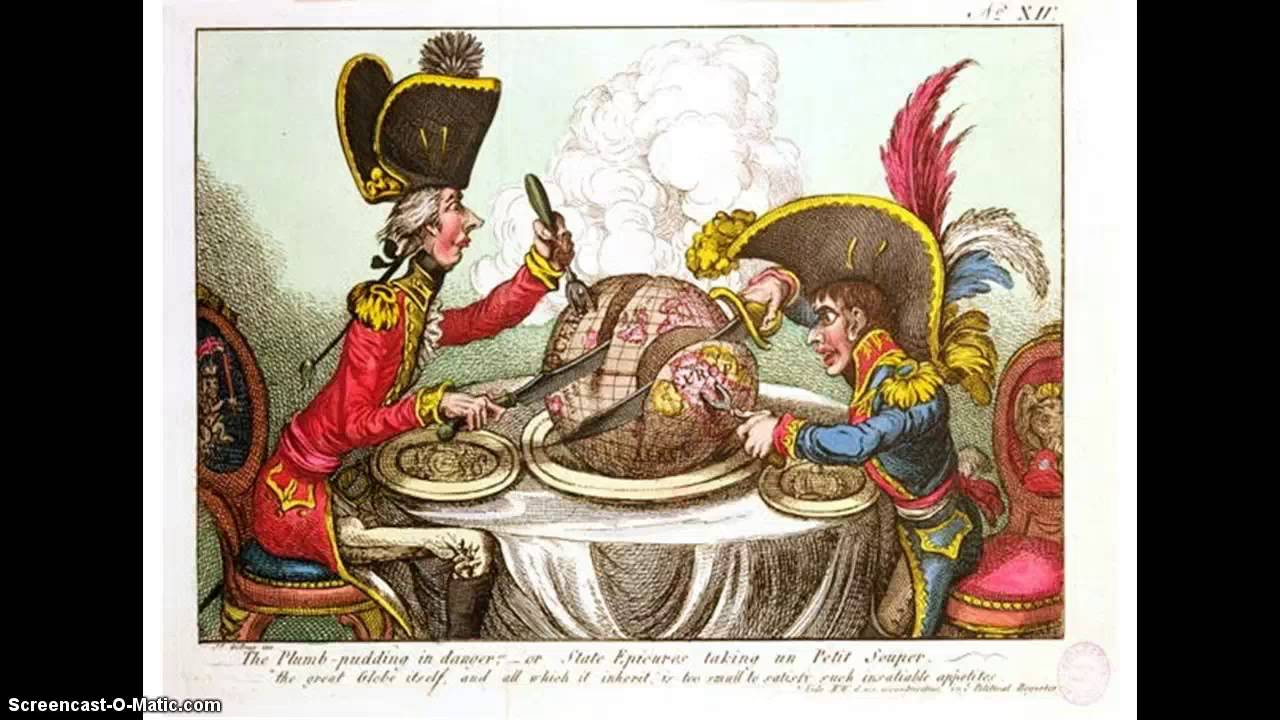
Eurocentrism is the idea that only the cultures present in Europe matter more. Farish Noor talks about going beyond eurocentrism. What does that mean though? What Farish Noor is talking about is that European cultures need to be more open minded about all of the cultures in the world, not just their own. With the eurocentrism being a real and true thing, it can bring about the death of cultures with this kind of thinking. It helps no one by thinking that one culture is better than all others in the world.

Blog Post #4

Image result for its cold outside so no global warming
Controversial Tweet from President Trump in late 2017

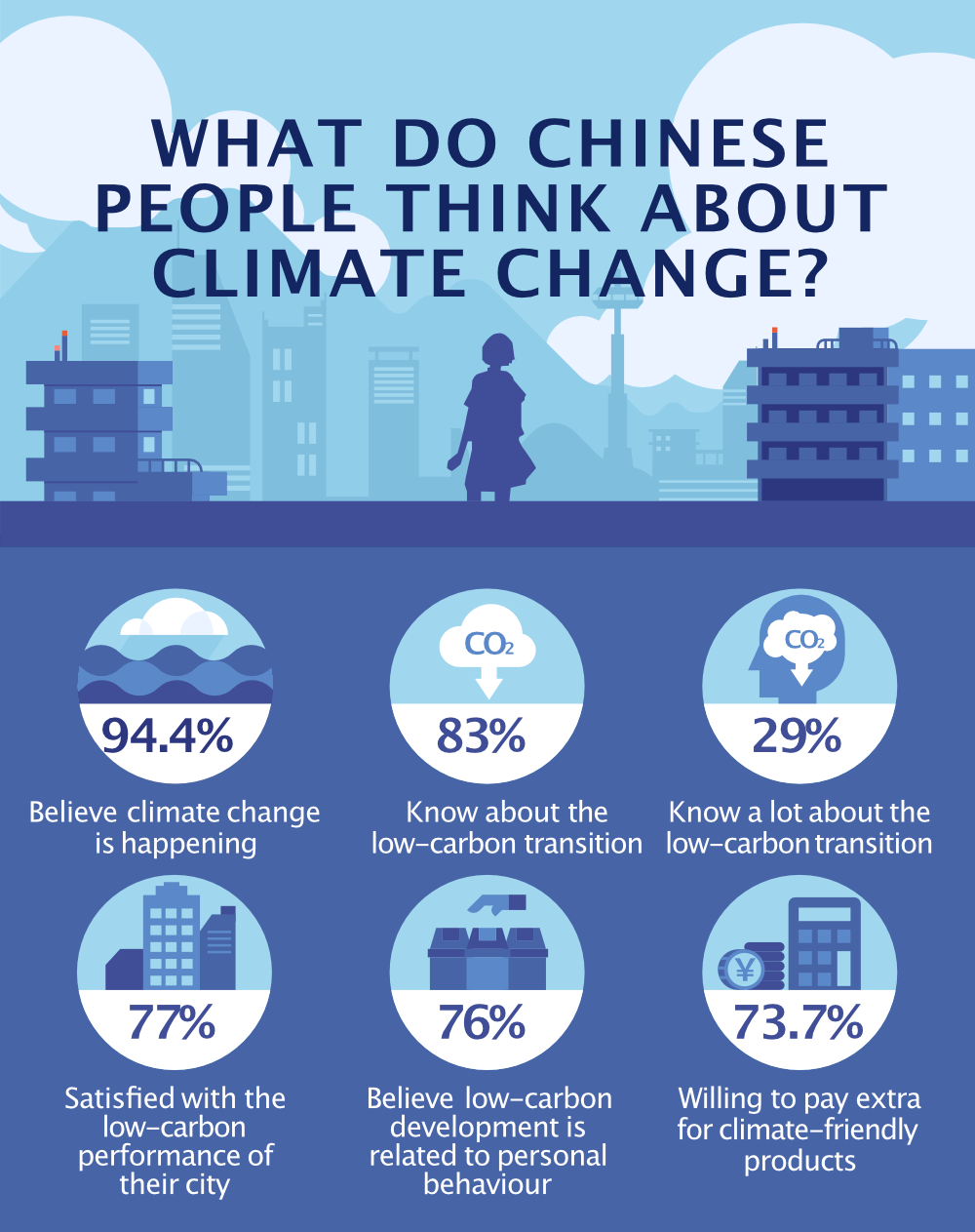
Finding a consensus about what needs to be done about the climate change crisis is difficult when there are many varying viewpoints.  This can be extra difficult when our President, leader of one of the world’s superpowers, does not even acknowledge climate change as real problem we are facing.  When leadership chooses to blatantly ignore concerns it can be frustrating and may feel as nothing can be done. Although the US isn’t a prime example of being environmentally superior, other countries are getting on board to make a change.  For example, China is making governmental changes to be more eco-friendly after a summer of typhoons, heatwaves, and flash floods. A 2017 national survey stated that 94.4% of respondents believed in climate change. Government led campaigns have started pushing for better energy consumption along with developments and low-carbon technologies.  It’s good to see that countries like China, who are notoriously known for bad air pollution, are making steps to help protect the environment.

In my opinion, future actions should include a summit of world leaders and world leading environmentalist to sit together in one room to make international standards countries should abide by. Whether that be CO2 emissions, waste disposal, fossil fuel use, whatever they see fit to make the world a better place.  Until we get a President who’s willing to acknowledge the threat climate change poses, we will just have to ride the bench as other countries fill our place to change the world. [1]

Now on to El Salvador.

In recent years, El Salvador’s greatest ongoing environmental issue has been clean drinking water.  Although nearly every Salvadoran has access to water, the water is not safe, often contaminated with feces and other undesirable waste products.  Before we dive into the water issue in El Salvador I would like to applaud one positive they’ve had in the environmental field. As of March 2017, mining for metals is banned nationwide in the country.  

Image result for el salvador pollution
Picture of what Mining water runoff would do to local streams.

Part of this ban was due to the side effects it had on the land and on the country’s water supply. “Mining is an industry whose primary and first victim is water . . . Today in El Salvador, water won out over gold [2]”.  It’s very interesting to see that a government was able to put aside economics and actually give priority to the safety to their citizens over the value of mining minerals.  They are currently the only nation in the world to ban mining of metallic minerals. When the government saw what was happening they decided to step in and make a change. This appears to be the opposite of Watt-Cloutier’s writing.  To think how nice it would have been for the Inuit people if the US would have done what El Salvador did for its people. Water purity is still an issue in El Salvador, but the ball has started rolling in the right direction.

Aside from the banning of mining minerals there aren’t very many strict environmental laws.  Corporations still dump waste and untreated water back into the water sources. Around 90% of surface water is contaminated and unsafe to drink by other global standards  [3] .  The movement for safe drinking water can be seen throughout the country with worker strikes and marches for the cause.  In 2018, there was a “Battle for Water Rights”. The corruption of the Salvadoran politics were seen as members of the ARENA party stalled a bill that would protect the right to water in the constitution.

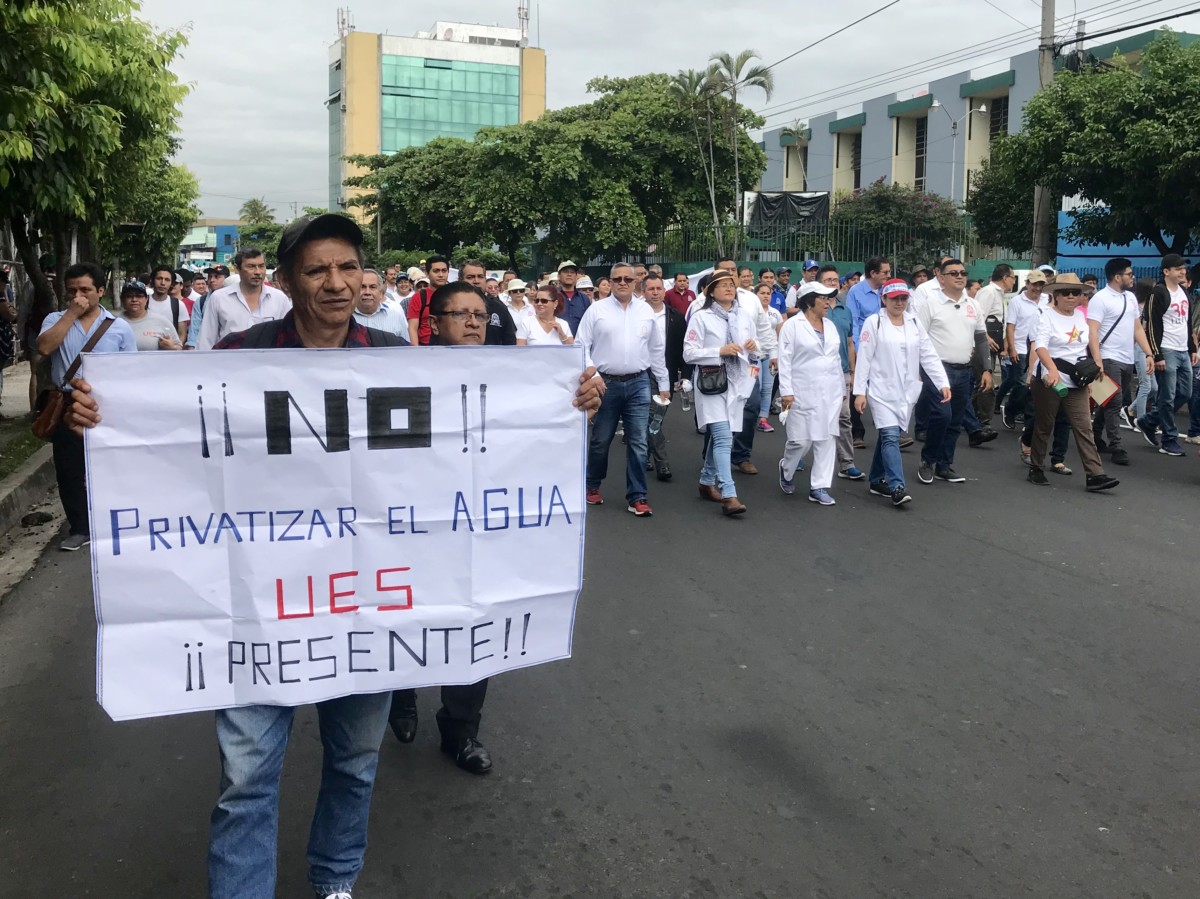
Activists from the University of El Salvador (UES) march for water rights in San Salvador. The sign reads: “Don’t privatize water! UES, present!” (Credit: Heather Gies)
Salvadoran holding a banner that says “Don’t Privatize Water” at a protest march.

 This conflicted with the party’s idea to have corporations privatize the water industry, to which many citizens were not happy. A bill once introduced in 2006 that had yet to pass, due to what I consider corruption, stated water that should be regulated as a public good.  The 2006 bill was passed after FMLM one a majority in the elections. Although it is now publicly regulated it is still poorly regulated. Prior to the privatization of water bill being killed, 1 million Salvadorans were without water after ‘damages’ to a pipe occurred. Private water providers than swooped in to provide water to the thirsty Salvadorans, but at a cost.  This instance was a big reason for the bill being killed as activists did not want to see this happen again [4].  

Another issue that the country faced was deforestation.  Since the 1960’s nearly 85% of the forest has been destroyed leaving around 5% of the nations area still covered in forest.  Soil erosion is a result of this deforestation and has left 50% of the soil as unusable for farming. This is a very difficult result to reverse and the country will be seeing fallout for this for years to come.  The damage has already been done in this area and reversal will only take and policy change, but it is currently not the country’s most pressing issue. [4]

As a closing note I’d like to say it was difficult to find Salvadoran news outlets reporting on environmental issues.  Direct searching “environmentalism” and “climate change” yielding only TWO results on the local news outlets, with one of them being about Trump’s view on climate change.  Besides the water crises, that locals are clearly passionate about, I’m interested in seeing how the rest of the country views other environmental issues. I might have to call my friend to see what she thinks.  

Post #4

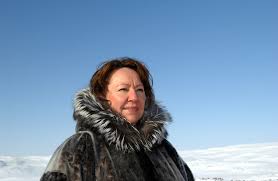
Recently I read an excerpt from Moral Ground: Ethical Action for a Planet in Peril, by an Inuit woman, Sheila Watt-Cloutier. The premise of the book is to bring light to the human rights issue of climate change. Specifically, circumstances due to climate change that put certain people, communities, and cultures at risk. If you search google for issues associated with climate change you will almost exclusively get results that mention degradation of environments, extinction of species, changes in weather patterns, and rising temperatures. As climate change has become an increasingly pressing issue, it has become even more interconnected with politics. As long as there is money to be made somewhere, there will be someone doing something to make that money, regardless of what it does to the environment. This is why businesses with deep pockets can lobby governments to not implement new policies, or even to deny climate change all together. The center argument that humans are ruining the planet is not the argument that needs to be made anymore. No matter how badly we treat Earth, it will be able to recover. Planet Earth can survive without humans, but humans cannot survive without Planet Earth. The argument that needs to be made is how climate change affects people.

Sheila Watt-Cloutier goes into detail about the effects that climate change have had on her home environment. The Inuit live in the arctic circle, in parts of Alaska, Canada, Greenland, and Russia. Primarily dwelling on frozen ocean and permafrost, their main method of transportation is dog sled. This is the only area in the world where ice and snow can be used to travel efficiently on. Even within her lifetime, Cloutier has noticed such a rapid change in climate that she can no longer use the ice to travel, forcing some Inuit communities to relocate. “…eroded landscape, contaminated drinking water, longer sea-ice-free seasons, melting permafrost, (irregular snowfall), and new species of birds and fish…” are just some of the issues due to climate change that she lists.

What is currently being done to combat climate change? As more and more pressure is put on executives to use there pedestal to do something about climate change, changes will start to happen. However, worldwide protests and brute force are not the main driving force that will cause change. Now that new methods of clean energy are coming around and becoming just as profitable as traditional fossil fuels, large companies and governments are shifting focus. According to a report by Jessica Lowrey, some of the largest wealth management companies such as Vanguard, BlackRock, and Fidelity voted in favor of climate resolutions for the first time. Along with this, multiple oil giants, such as ExxonMobil, were forced by shareholders to disclose risks associated with climate change. Entire nations are pledging to no longer invest in fossil fuels. Countries such as Sweden and France are planning to phase out all greenhouse gas emissions by 2045, and many worldwide companies have committed to sourcing from 100% renewable energy.

More so today than ever, sustainability requires innovation. With innovation, comes the opportunity to make money from investment. When governments, investors, and energy companies have ways of making money from renewable energy, they will not hesitate in doing so.

The Dominican Republic has its share of environmental issues. Its major issues include deforestation, water supply, and soil erosion. Because of the soil erosion, the coral reefs surrounding the island are being damaged as well, decreasing biodiversity. According to the UN, as of 1993, 20,000 hectares of forest (1 hectare = 100 acres) were being cut down each year due to commercial interests.

The Nature Conservancy is one of many environmental groups that works within the Dominican Republic to “protect its nature, preserve its life.” Some of the work they do includes protecting freshwater sources, protecting marine and coastal environments, and promoting sustainable fishing practices. Fundemar is another environmental organization working in the Dominican Republic to promote the sustainable use or marine resources and ecosystems. Overall, there seems to be a moderate amount of action being taken in the Dominican Republic to preserve the environment, but there is only so much can be done with limited resources.

Post #4-Haiti

Image result for climate change

While there is a big need for the world to shape up and protect what matters the most, leaders of this world refuse to change anything. Why? Money. The public of each country will often agree that something, anything really, must be done to save this world. Scientist estimate that we have roughly 12 years to start making changes before reaching the no turning back point. Action suggested by scientist and anyone with common sense include reducing the amount of coal burning facilities and increasing the number of places that produce clean energy. Clean energy has many forms, from nuclear fission, to wind farms, to solar panels, to hydroelectric dams and underwater turbines. While building these kinds of facilities may cost a good sum of money in the beginning phase of construction, the costs of building these facilities will eventually pay for themselves by the amount of clean energy brought in and by the amount of CO2 we would not be releasing.

Image result for tesla model 3
Tesla’s Model 3

Another way to help clean up the earth is through using more energy efficient objects, like low-water toilets and electric cars. Car companies, like Tesla, are starting to focus on producing more cars that release less CO2 and require less fuel for a longer trip. Specifically for Tesla, they plan to increase their production of their newest series, the Model 3, while trying to make it more affordable. While these kinds of changing must be made by individuals, not countries, changes in the amount of Carbon Dioxide produced can be controlled by the nations and help reduce the global warming. What is currently being done by world leaders is almost nothing. The US has decided not to do much in order to save the world, while China, France, England, Canada, and more countries have pledged to try and reduce their CO2 production. While there was a consensus at the international meetings for climate change, the biggest producer of Carbon Dioxide in the world, the US, did not attend those meetings, and therefore basically refuses to make any changes, with the head of the government claiming that global warming being a myth. There is some sort of consensus, but only a few countries agree with and implement plans in coordination with the consensus.

According to the US AID (from the American People), the biggest and most prevalent problem in Haiti is the current environmental degradation, also known as deforestation. This posses a major health concern to Haitians, because trees can stop mass flooding, the dramatic rates of soil erosion, and declines in agricultural productivity. Not only is deforestation a problem, but sediment deposit into the ocean and over-fishing are some of the other causes that result in a loss in diversity. In the nation’s capital, Port-au-Prince, waste management is a big problem, with solid waste often clogging pipes and causing back-flow. With the depleting number of trees in Haiti, every hurricane that hits have a greater impact, often causing massive floods and millions of dollars of damage. Water.org, a non-profit organization aimed at helping people afford or gain access to safe and clean drinking water, entered into an agreement with Haitian outreach, to bring clean water to over 18,000 people by fixing old wells and drilling new ones.

Image result for friends of the earth

            Other environmental groups, such as Friends of the Earth Haiti, work to restore the forest and deserts to the way things were in the first place. They also work on maintaining a sustainable agriculture, and work on soil degradation, waste management, and overall awareness on many other issues. Another group, Yele Haiti, founded by musician Wyclef Jean, aims to help make a difference in areas of development, education, health, and environment. Their main goal is to create small projects that would eventually help Haiti in the long-term.

Post #4

There are many ways that we could take action to protect our planet from climate change. If we assume that we agree to take action to protect our planet for future generations, we must start immediately to start reducing the pollution and carbon emissions from our planet.

 I think in order for this to happen on a global scale, people need to become educated on the issue. Some people have not accepted that climate change is a real, concerning thing that is happening, and if everyone does not accept it, we will get nowhere. We should start at a personal level and try to cut down our own waste and energy use before we go to a global scale. 

On a personal level, we could try to carpool more often, whether it is to work, school, or even the grocery store. We should try to recycle as much as we can, and cut down on the amount of food waste. Since our fresh water supply is drastically decreasing, we should all make an effort to cut down on our water use, like we learned last week. This would include things like taking shorter showers, not letting the sink run when you are not using it, or having fuller laundry loads. Some people won’t accept this, so we need to explain what is happening from a scientific view with studies and proven facts. 

From a bigger scale, with the government involved, we could make incentives for companies that are known for major pollution to decrease, and include more sustainable practices. This change would definitely take a while to put in place, especially getting the government involved and getting people to agree on certain things. 

In the reading, the author Sheila Watt-Cloutier discussed what she did. She, along with others from her area, filed a legal complaint. She explains how they brought in the Human Rights aspects, and how the pollution is affecting the Inuit culture. They had little to no cause to the pollution, but they were burdened with the many consequences of it. 

“what we’re saying to the governments is, you must develop your economies using appropriate technologies that limit the pollution, that limit the greenhouse gases that are at the root of what is happening in the Arctic and the melting of the glaciers and the ice and the snow”

Sheila Watt-Cloutier

One of the better known attempts to help reduce climate change is the Paris Agreement. According to unfccc.int, the countries involved have agreed to help attempt to “combat climate change and adapt to its effects”. Many countries are involved with the Paris Agreement, but the United States is not one of them. According to the website, countries will meet every five years to discuss progress, or anything that may not be working.  

Because there is a lot of farming and lumber production in Honduras, its environmental issues stem from mainly these things. According to nationsencyclopedia.com, the two main issues are soil erosion and loss of soil fertility. They use slash-and-burn farming, which depletes soil nutrients over time. This has a major impact on the country, especially since the country is so small. 

Water.orgis very involved in Honduras, and increasing water access to people. According to the website, since they started working in Honduras in 1990, they have reached 14 thousand people. They also explain a project that they are currently working on, which will reach the people of Mejocote and Montaña Verde. 

One environmental group that I found in Honduras is Honduran Conservation Coalition. They are a smaller group based in Honduras and the United States whose goal is to “Help protect biodiversity and ecosystems through community-based conservation and sustainable development initiatives in mestizo and indigenous communities”. They mainly focus on conservation of dry forests, cloud forests, pine forests, and rain forests. It is also stated that they try to educate Hondurans on conservation and environmental concerns. 

Sources cited

https://www.redbubble.com/people/jcaladolopes/works/32297433-there-is-no-planet-b-t-shirt-for-kids-save-the-earth-shirt?cat_context=u-prints&grid_pos=4&p=poster&rbs=06c0681d-e287-482d-8e0e-cde1fd592cf8&ref=shop_grid&searchTerm=no%20pollution%20drawing%20posters

https://www.nationalgeographic.com/environment/2018/09/news-air-quality-brain-cognitive-function/

http://www.rightlivelihoodaward.org/laureates/sheila-watt-cloutier/

https://unfccc.int/process-and-meetings/the-paris-agreement/the-paris-agreement

https://www.nationsencyclopedia.com/Americas/Honduras-ENVIRONMENT.html

http://www.woodardcurranfoundation.org/ewb-honduras/

https://water.org/our-impact/honduras/

https://www.honduranconservationcoalition.com