In Crisis Caravan, Linda Polman criticizes humanitarian aid and how it “helps” individuals in need. Throughout the book she opens the eyes of the readers on how many “humanitarian aid” projects actually do quite the opposite of aiding those in need. When discussing humanitarian aid the two main perspectives of ‘help at all costs, some aid is better than no aid’ or ‘aid fails in its purpose when done improperly’. Many concerns Polman brings up revolve around people helping for the wrong reasons, misinformed journalism, and money being spent on things other than what it was intended for. All of these can be seen in the Rwanda crisis that occurred in the mid 90s. Looking back many people can agree that the support from humanitarian aid groups only prolonged and provided funds to the crisis going on in Rwanda. Outside help going to Rwanda was highly misinformed due to false journalism.

Many organizations went and advertised for donations because they believed the Hutus to be innocent victims of cholera. For this reason, money was misfunded and unknowingly went to the support the Hutus in their quest for the mass genocide of the Tutsis. However, this did not go unnoticed by every organization when they got there. MSF France decided to leave the humanitarian aid hub of Goma in 1994 and declared that “aid only perpetuates the situation in Goma”. They began to realize that at this point, no help was better than some help. I imagine this being a tough decision to make, but sometimes the best decisions are the hardest ones to make. However, MSF France’s decision to leave had little impact and if any hurt the company’s reputation with many countries criticizing the decision. This is where the humanitarian crises became much more political. The way these NGOs thrive is through increasing contracts. These contracts provide the funds for the organizations to provide aid and get their company name out there. No one would have paid to attention to organizations leaving due to protest and would have only hurt their contracts in the long run. Organizations also pose the risk of missing out on donor governments providing financing to their next aid project if they are seen backing out of a crises. At this point in Goma it became an issue of “feed the killers, or go under as an organization.” At the end of 1995 the camp in Goma boasted a 2324 bars, 450 restaurants, 590 shops, 60 hair salons, and many more amenities including 3 movie theatres and 2. In the case of the Rwanda crisis it is clear to see that humanitarian aid funded the Hutus, and without it, the war would have gone nowhere.
Another issue countries requesting aid face is dealing with unwanted but well intended gifts. These unwanted gifts can fill up logistic hubs and end up becoming more of a hassle than a benefit.

For example, what are African children going to do with 10,000 winter coats, that’s right, nothing. In these cases sending nothing would be a better alternative to not waste volunteers’ time sorting unusable goods. Everyone wants to have the reputation of donating goods to look to their consumers, however their good intentions can not be so good. A few examples of this include Cambodian refugees receiving food so old, even zoo animals wouldn’t eat it, a New Zealand manufacturer offering to send dog food to Kenyan children, and worst of all The European Commission sending radioactive contaminated food supplies to Africa. It may sound good to help, but in reality a lot more damage is done in these situations. This sends the message to refugees “Oh we care, but we don’t care that much.” Companies send out these offers to boost their own egos, but end up making fools of themselves in the process.
In the Afterward section of Polman’s book she describes aid organizations as if they are businesses dressed up as Mother Teresa. She says this because NGOs make decisions where to work primarily based on availability of contracts, not based on ethical considerations. The previous statements in this post back up why she believes they are businesses in disguise. At the end of the day these NGOs have their own agenda that they would like to fulfill and sometimes monetary gain comes over those who are truly in need.
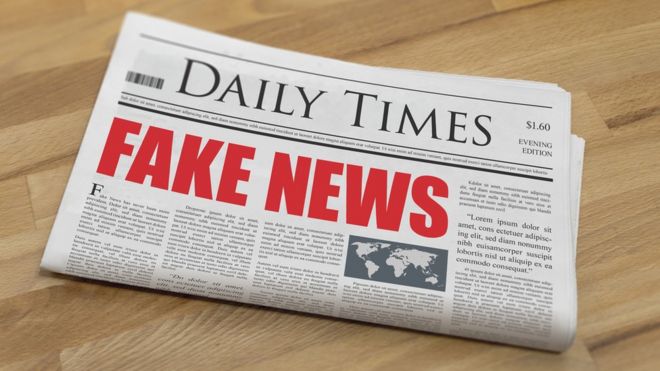
Moving forward with upcoming humanitarian crises, the public needs to be well informed on where there dollars are going. Journalists owe it to the public to provide accurate reporting in situations going on across the world. We have enough “fake” news as it is, and we do not need inaccurate information being spread amongst the public.
If someone genuinely has a passion to help people they should do their research to make sure their money is actually helping those they intended it to, instead of going to a Somalian drug lord instead. Finally, it is up to the governments of the world to ensure that the amount of humanitarian crises that occur is kept to a minimum. When it does come down to the situations like Rwanda, actions, including force, may need to be taken to ensure stability in the long run. However, we have seen cases where doing nothing may have been for the better. So the role that the government must play is still fuzzy, but something needs to be done.
Polman, Linda, et al. The Crisis Caravan: Whats Wrong with Humanitarian Aid?Picador, 2011.

 Peace Studies Blog