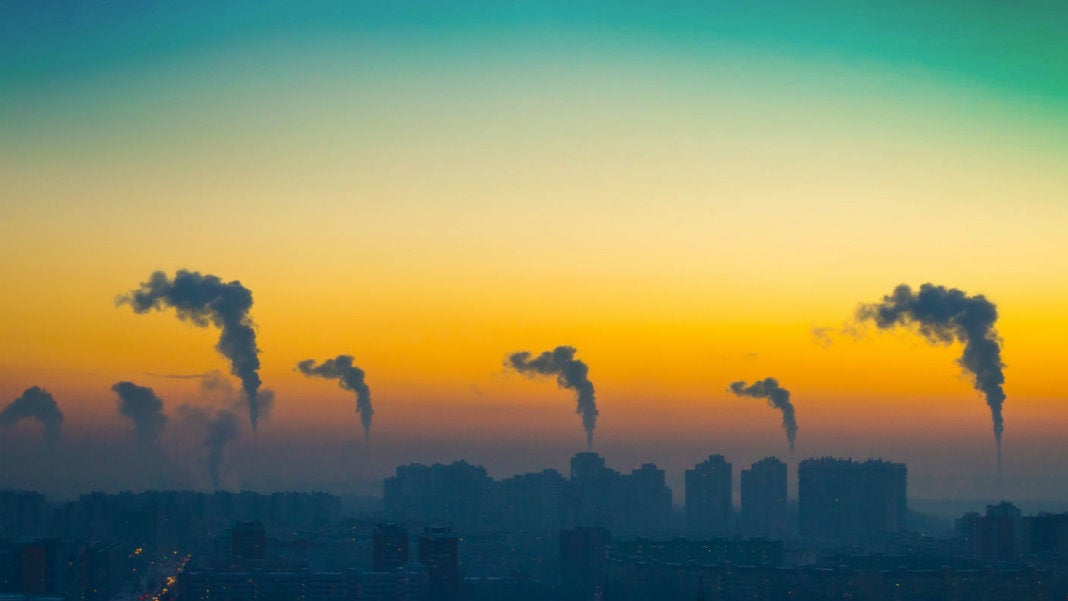
Climate change can be linked almost directly to human rights. For one part, without respecting one another, how are we supposed to respect the world we live in today? Dr. Elizabeth Lindsey talks about how certain cultures would use different attributes of the earth, like the winds and the rain and the ocean, to mend certain things. Even then, according to the Human Rights Office of the High Commissioner, they stated that “increasing frequency of extreme weather events and natural disasters, rising sea-levels, floods, heat waves, droughts, desertification, water shortages, and the spread of tropical and vector-borne diseases as some of the adverse impacts of climate change. These phenomena directly and indirectly threaten the full and effective enjoyment of a range of human rights by people throughout the world, including the rights to life, water and sanitation, food, health, housing, self-determination, culture and development.” The last part about the culture and development can be related back to what Dr. Elizabeth Lindsey was talking about during her TED speech. She spoke on the changing climate of the world would often take with it the cultures around it, and those could be lost forever if we don’t change. Some of the more stark things that are mentioned by the Human Rights Office of the High Commissioner include how the right to life, clean water, housing, food, which are all basic needs in life, can be infringed upon because of the climate change. Humans are used to devastating hurricanes and killer wildfires, or even just the over-fishing or pollution we cause.

After World War II, almost all nations in the world came together to create a list of unalienable Human Rights, things guaranteed to each person. The list allows a person to live with dignity and freedom and allows equality and justice between all. Climate change can be a reason for some of the rights to excluded for some. Consider nations that are more prone to natural disasters, such as earthquakes, hurricanes, flash flooding, tsunamis, etc. These nations are at a constant disadvantage, because clean water, housing, and food are almost never available, even though these are basic human rights. Specifically, for my nation, Haiti, they are at a severe disadvantage because of being the poorest nation in the Western Hemisphere. Clean water and food are one of the most, if not the most, difficult thing for anyone to find. With just about half the population living off of $2 a day, most people are not able to afford clean water and food, let alone acceptable living conditions. The country is still recovering from the devastating earthquake in 2010, and the yearly hurricanes that ravage the nation do not help at all. Climate change is direct reason for all of these coming about.
Endangered cultures are becoming more common nowadays, because of multiple factors. Some cultures die out because of the use of a different language, and those who understand the language are no longer with us, and therefore we can’t pass on the culture to others. Some cultures die out because of climate change, because the elders of the culture may only know certain things based on ocean tides, and with the ocean changing so much as it is, those cultures are bound to disappear. Most of Haiti’s cultural heritage is now considered endangered.
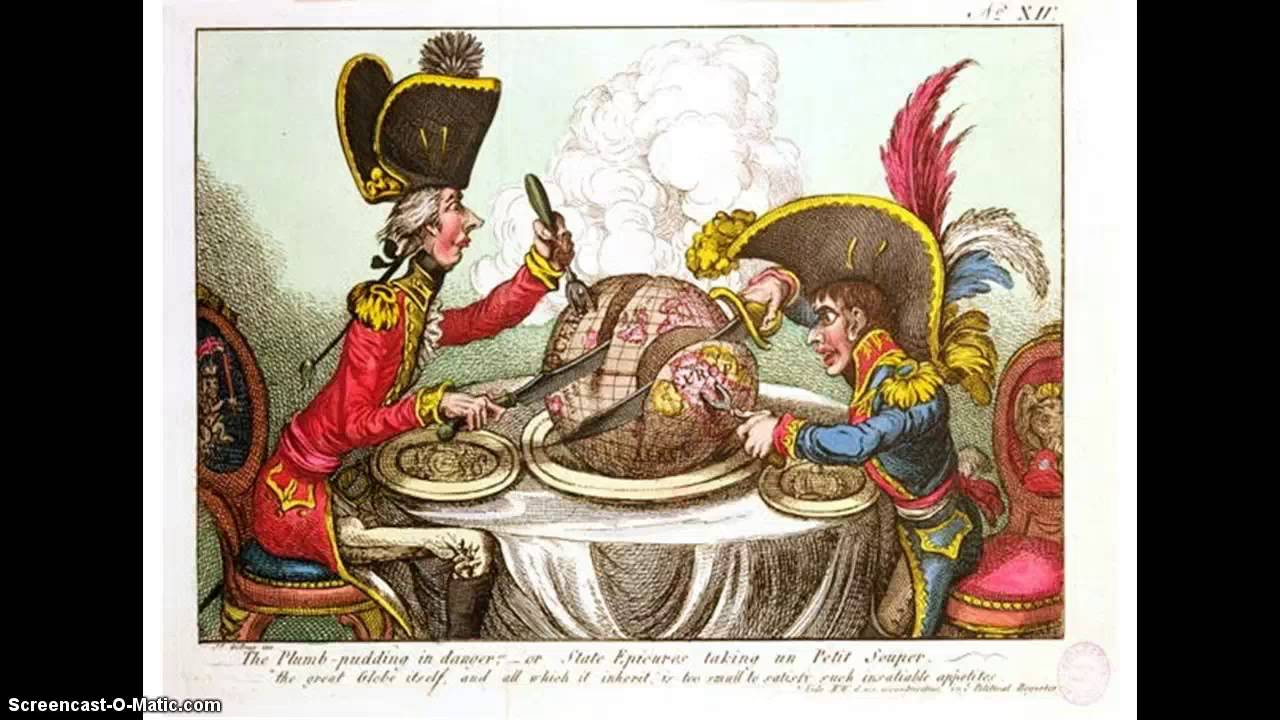
Eurocentrism is the idea that only the cultures present in Europe matter more. Farish Noor talks about going beyond eurocentrism. What does that mean though? What Farish Noor is talking about is that European cultures need to be more open minded about all of the cultures in the world, not just their own. With the eurocentrism being a real and true thing, it can bring about the death of cultures with this kind of thinking. It helps no one by thinking that one culture is better than all others in the world.

 Peace Studies Blog