Dr. Elizabeth Lindsay’s Ted Talk on ancient wisdom definitely provided some good moral lessons on how we should view our lives. On the other hand, I found the inclusion of this video with the question, “What does climate change have to do with human rights?”, to be a poor pairing. The video ever so slightly hinted at climate change in the quote “to remember that we are enough, just as we are”. In my own interpretation, I think it’s saying that we don’t need all these materialistic things to be happy, that the overproduction of these goods, that we as consumers love, is taking away from what it means to be human and is hurting our planet. The video does not do justice in answering the question of what climate change has to do with human rights, so I will try my best to answer the question.
A simplified version of the 30 human rights according the UN can be found here [1] . Out of these 30, the ones that stood out to me that could be affected by climate change include the Right to Life, the Right to be free from Torture, and the Right to food, water, and shelter. By disrespecting and not caring for our planet, we rob some of our global citizens of these rights.

Due to rising sea levels, people’s right to life is being infringed upon as their homes are be swallowed by the oceans, just like the nation of Kiribati. The right to be free from Torture is also violated when communities have to watch their once beautiful environments be destroyed with pollution. It can be psychologically damaging, especially for indigenous people, to witness the destruction of their land and waterways, to which many hold sacred. Finally, bringing it back to El Salvador, the right to water being violated. The greed of the country’s politicians blocking off one of the most basic human rights, water. If we could remember that we are enough just as we are, greed and that desire for more would not cloud our minds when it comes to the well being of each other and our planet.
Endangered cultures are cultures that are threatened by the rise of globalization and the power that the main contenders in the world have. I believe Wade Davis said it best, and it was somewhere along the lines of “Power threatens the ethnosphere, not technology or change”.
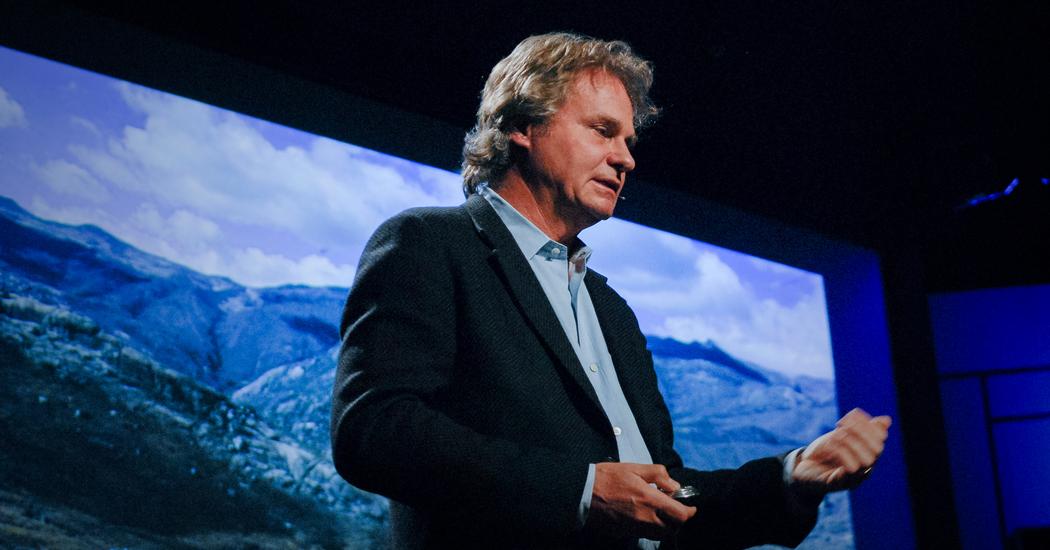
Cultures have adapted to change before and have thrived. As discussed in class lecture, native tribes don’t hate technology, they hate what it does to their culture. The Cherokee have embraced technology and are utilizing in ways that some could argue that brings more life to their culture in this modern era. Globalization and the rise of the west have led to this sort of entitled power. The American way of “it works for us, so you have to do it too” has led to the destruction of cultures as the American “culture” has spread across the world. It was interesting to hear from Wade about how different tribes were wired differently based on their surroundings being raised, how some indigenous people would speak of plants whispering to them. Growing up and living with these different mindsets and perspectives gives people the ability to live their lives in ways that seem unimaginable to many.
In El Salvador, one of the endangered cultures is connected to the Nawat language. As of 2009 there were approximately 200 speakers left in El Salvador.
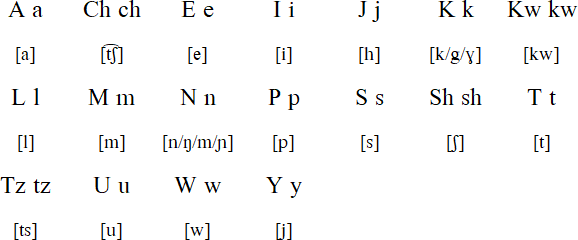
One small elementary school in the town of Izalco, teachers took it upon themselves to begin teaching the Nawat language to students starting in 2002 in an effort to keep the language alive. I think one of the most shocking things to hear is about all the culture that is lost when one of the few remaining elder speakers dies. When they die, not only does their physical body die, but a part of the history and culture die as well.
Eurocentrism is a worldview biased towards Western civilization. The United States for example is very ethnocentric, which in Noor’s words are “tendency of individuals and cultures to view themselves as well as the environment around them from the perspective of their own culture, values, and beliefs”. This is an issue I believe the majority of Americans have as from a young age we are told we are the greatest country in the world. Not until we are older do we realize that everyone’s life perspective is different from our own.

 Peace Studies Blog