When it comes to the topic of climate change, one of the often overlooked consequences is that of the threat to human rights. As I discussed in last week’s post, the issues regarding climate change that seem to take center stage in today’s media are largely environmental. You will hear people protest about the damage that we are doing to our planet, but what about the people who are directly affected by those changes?
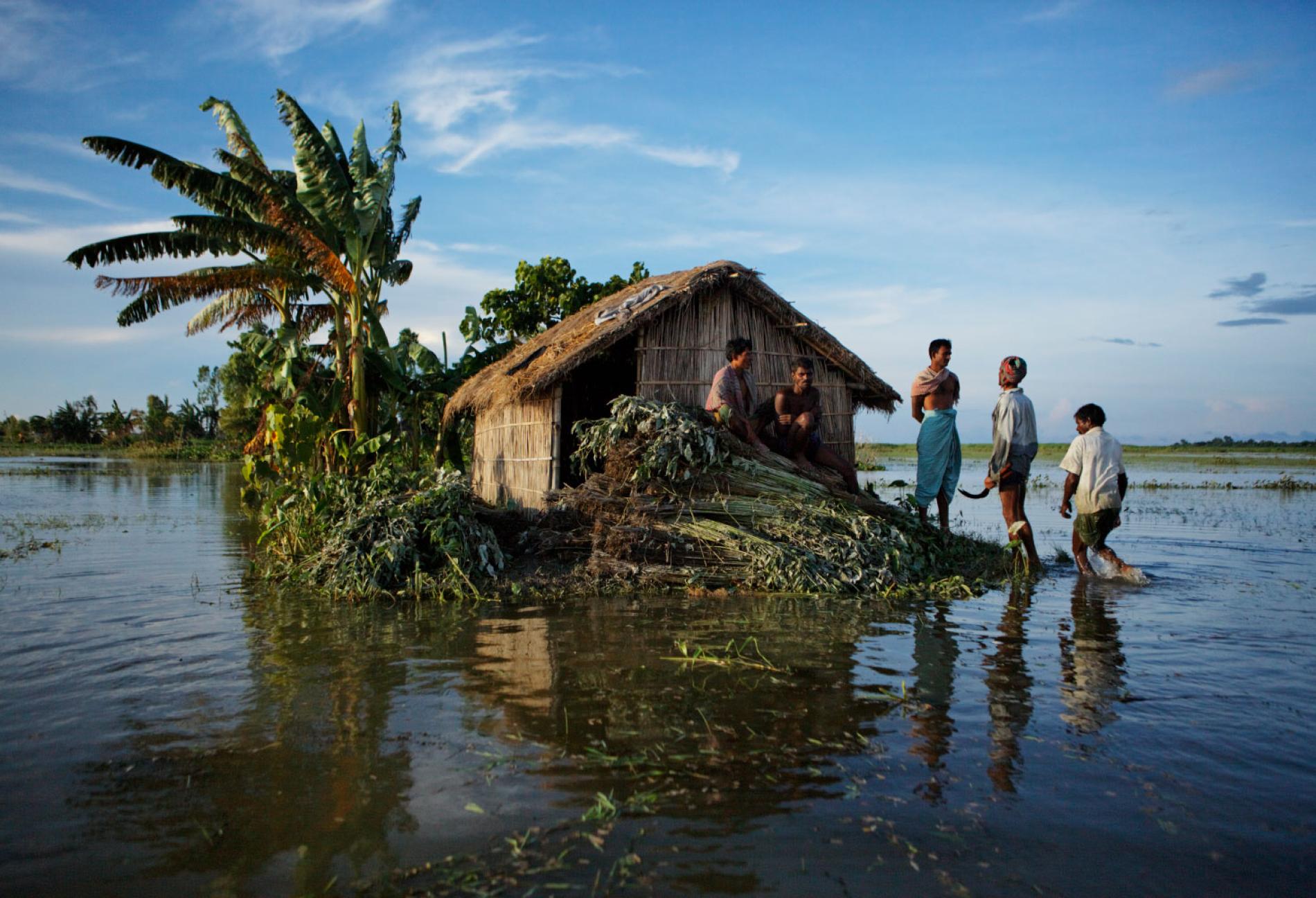
Which human rights are most affected by climate change? According to a report from the Office of the High Commissioner for Human Rights (OHCHR), there has been an increase in frequency of “extreme weather events and natural disasters, rising sea-levels, floods, heat waves, droughts, desertification, water shortages, and the spread of tropical and vector-borne diseases…” All of these byproducts of climate change have a profound effect on several human rights, such as “rights to life, water and sanitation, food, health, housing, self-determination, culture, and development.”
The right to life is laid out in the Universal Declaration of Human Rights as the “right to life, liberty, and security of person.” Nearly every nation state has committed to the International Covenant on Civil and Political Rights (ICCPR), which says that “every human being has the inherent right to life.” However, as the effects of climate change become more pronounced, they pose an increasing threat to the right to life. When large countries and large corporations are polluting the earth at a much higher rate than people who live on small island nations, and are responsible for the natural disasters caused by climate change that can kill so many, are they indirectly posing a threat to those people’s right to life? Along with this, as climate change can force certain populations to move from their native land, only out of the necessity of survival, it poses a direct threat to people’s right to self-determination.
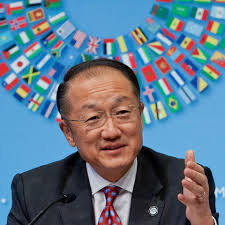
The right to human development is significantly hindered due to climate change as well. In the words of former World Bank President, Jim Yong Kim, “unless the world takes bold action now, a disastrously warming planet threatens to put prosperity out of reach of millions and roll back decades of development.”
Climate change will also affect many people’s right to food. The UN Declaration of Human Rights contains the right to be free from hunger. Rising temperatures across the globe expose vulnerable areas to the deadly conditions of famine. Many areas have experienced desertification, water shortages, and untenable soil making it difficult to produce enough food for everyone. According to the Intergovernmental Panel on Climate Change, “climate change is projected to reduce renewable surface water and groundwater resources in most dry subtropical regions… intensifying competition for water.” According to a World Bank report, a 2 degree celsius rise in average global temperatures could result in one to two billion people no longer having a sufficient supply of water.
The range of human rights that climate change threaten expands to include the rights to health, housing, education, and the rights of future generations.

We will be most impacted as a species when climate change becomes such an issue that entire cultures will go extinct. When a species as a whole loses a culture, we don’t just lose individuals, we lose a way of life, ideas, languages, and diversity. Cultures that become endangered are on average more likely to be located in areas that are most affected by climate change. Some of these cultures include: Siberian indigenous groups in Russia, the Innu in Canada and parts of the arctic circle, the Guarani in Brazil, the Maasai in Kenya, and the San people, who roam the Kalahari in Botswana. Losses of cultures are a loss to all of humanity.

 Peace Studies Blog