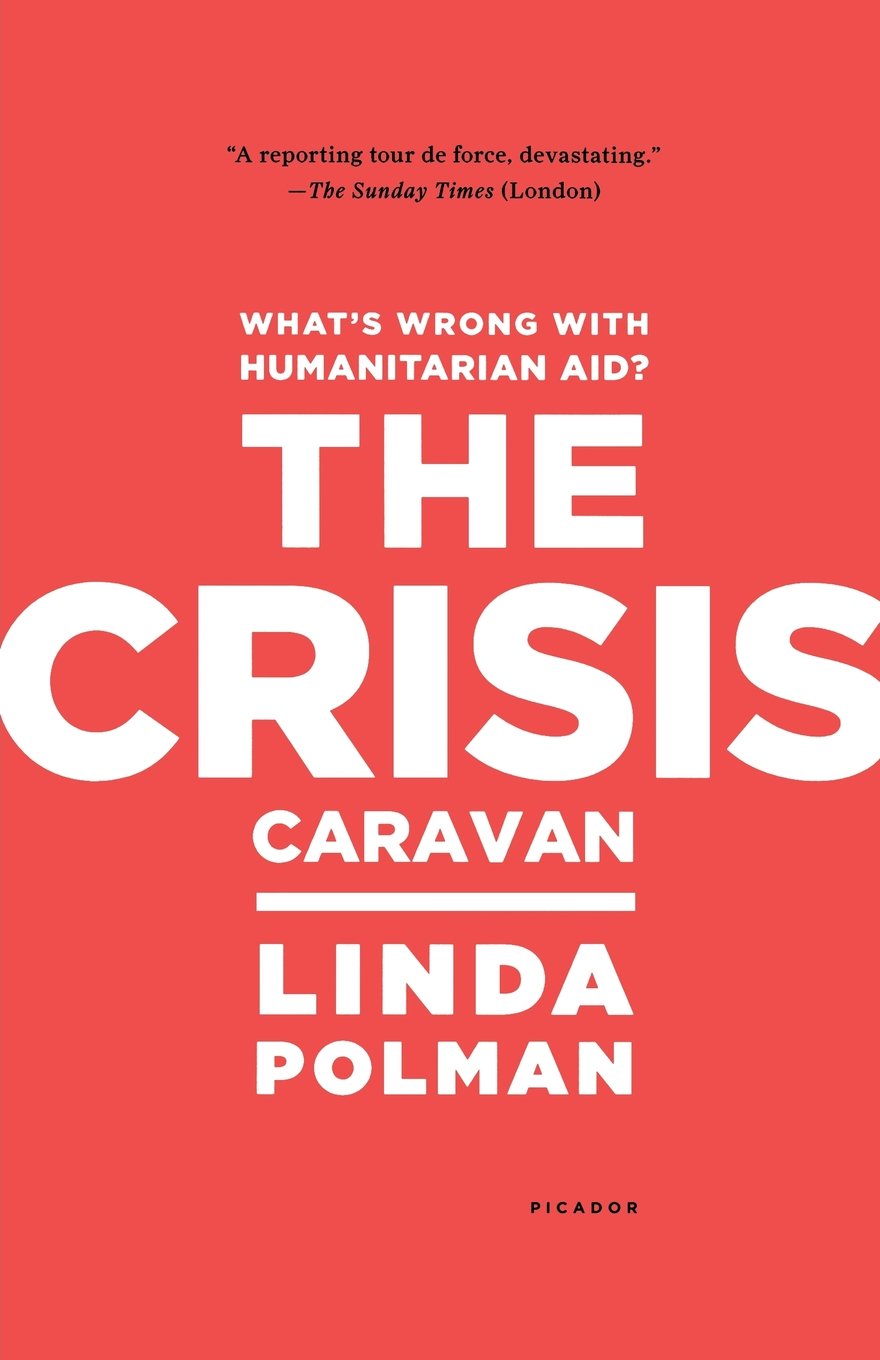
I recently read a chapter out of Linda Polman’s book, Crisis Caravan. The chapter was titled “Aid as Weapon of War,” and discusses what really happens to relief aid when you donate to an aid organization. It was new information to me. I am not usually one to donate to aid organizations, but if I was, I wish I would have learned this five years ago. Do you know dollar for dollar where your money is going when you give it to these organizations?
Polman begins the chapter with a story of when she was in Liberia, trying to access a warzone controlled by the Liberian rebel movement LURD (liberian United for Reconciliation and Democracy) in order to report as a journalist. Not only was she required to offer loaves of bread to pass through the roadblocks miles away, she then had to negotiate with a higher up to enter further into the warzone. She mentions some have outlandish requests, such as luxury shopping sprees, while others are merely food or cash. Here we already have a problem. If a journalist will have such a hard time getting into a warzone, how difficult will it be for humanitarian aid to reach as far as it needs to?
Polman continues to tell stories of how aid can be “taxed’ by warlords and other officials on its way to wherever it needs to go. In Somalia, some regimes would charge as much as 80 percent of what the aid supplies are worth. According to the UN, the Taliban claimed over one-third of food aid and agricultural support going through Uruzgan. In the Congo, leaders of the Hema people allowed international aid organizations in, on the condition that they gave their enemies nothing. After a tsunami in Sri Lanka, aid organizations could not step in to rebuild without negotiating with the rebel movement, the Tamil Tigers, who demanded a tax of 25 percent of the aid value, which was made up on the spot. I could go on, there are plenty of examples.

The issue with aid not reaching its intended destination, is that it could be doing more harm than good. Warlords have nothing stopping them from refusing to give access to aid organizations, this is why they negotiate and end up receiving a portion of the aid. With that in mind, do NGO’s who provide aid do anything other than prolong the conflict? It is not an easy debate, on one side, the argument is provide aid to the victims, only to have a significant portion of it go to the oppressors, which allows them to continue their activities. On the other side, the argument is to provide no aid at all, and allow victims to suffer even further.
Polman goes on to call out aid organizations as business dressed up as Mother Teresa. By this she means that they put on a facade of being helpful and caring, but that is just their way to earn money for executives. She mentions that journalists tend to stay away from aid agencies, giving them the automatic stamp of approval without research. Perhaps the image of being a helpful and caring agency deters journalists from really criticizing what they are up to. She makes the point that if an actual business was to provide aid, journalists would be all over it. I would have to agree, if a company that typically does not provide aid decides to do so, many people would believe it to be a cover of some plan to earn a profit.
The solution to this problem is not easy, because everyone’s opinion of aid agencies would have to change. A good start would be having journalists fully investigate these NGOs. All accounting records should be made public for organizations like these that are non-profit, to provide more transparency as to where the donor dollar ends up. This is something that can be easily implemented by a government. For me, these changes would make me much more comfortable with donating money to aid organizations.

 Peace Studies Blog