The Dominican Republic has a significant human trafficking issue. It is considered the third largest international crime industry in the Caribbean, generating an estimated 9.5 billion USD annually. Women from the Dominican Republic can be victims of violence, forced sex, and prostitution throughout the Caribbean, North and South America, and parts of Europe.

Anti Slavery defines human trafficking as activities that involve recruitment, harboring, or transporting people into a situation of exploitation through the use of violence, deception, or coercion and forcing them to work against their will. Sex trafficking is this same principle, but the victims are forced into commercial sex acts. I will let a commercial sex act be defined as prostitution, pornography, and sexual performance done in exchange for any item of value.
The United Nations Office for Drugs and Crime estimates the following statistics for 2016
- 51% of identified victims of any type of trafficking were women, 21% men, and 28% children
- 72% of victims trafficked into the sex industry were women
- 63% of identified traffickers were men, 37% were women
- 43% of trafficking victims are trafficked domestically within national borders
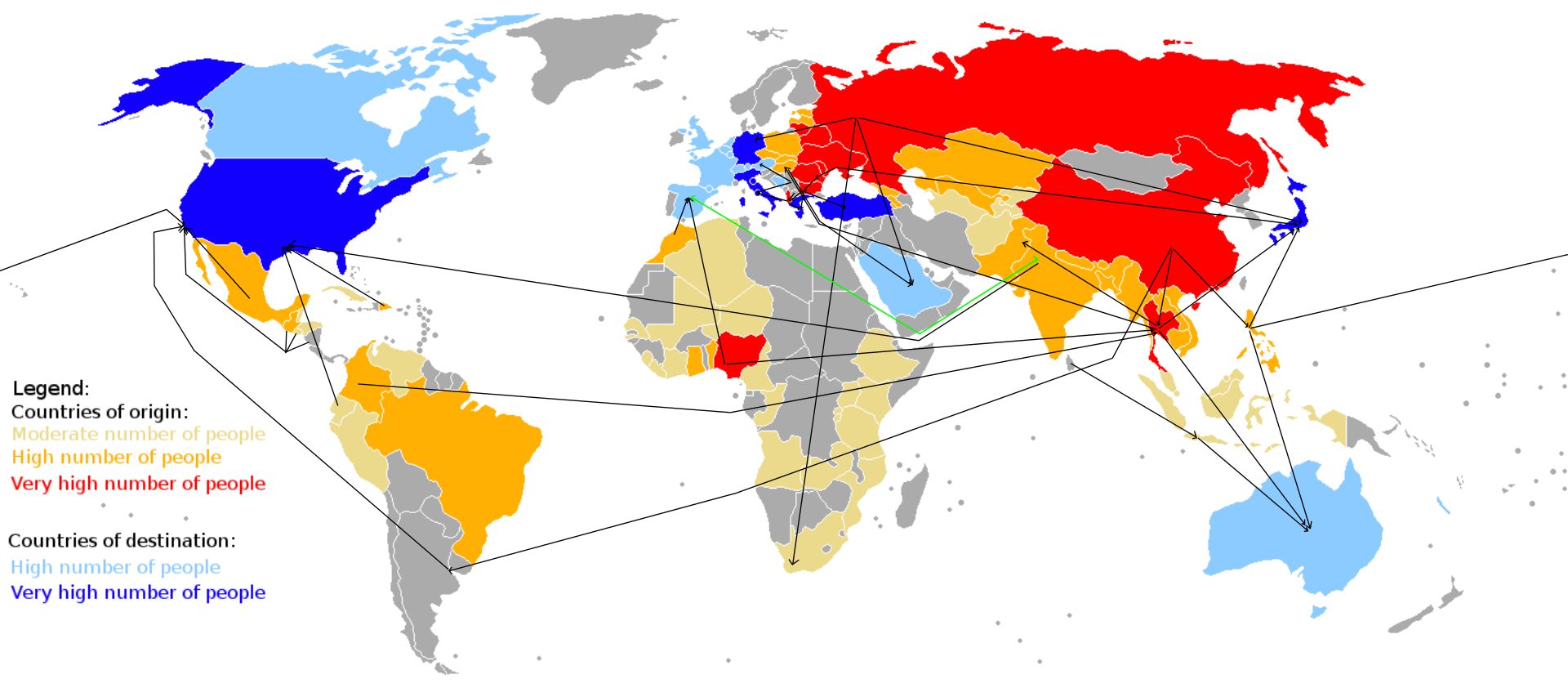
Focusing specifically on the Dominican Republic, the human trafficking epidemic is particularly pronounced. Many women are often trafficked to Costa Rica and Panama. Sex trafficking aside, a majority of these trafficked people will be forced into labor. The Ministry of Labor reported that certain agriculture industries, such as sugar farming, are popular destinations for trafficked laborers, especially children. Elizabeth Thomas-Hope, in her book “Human Trafficking in the Caribbean and the Human Rights of Migrants,” claims there are over 5,000 Dominican commercial sex workers across Western Europe. In coastal resort areas, child sex tourists will arrive year-round.
There are many factors that can help explain why human trafficking is such a profound problem in the Caribbean. Poverty, unemployment, illiteracy, drug use, and gang membership are all individual causes of the high human trafficking rate. It is common for traffickers to work along the Dominican-Haitian border, and trick or coerce families into letting their children come with them, promising a quality life, only to exploit them for personal gain. Immigrants make up a majority of those trafficked. They can often enter into more vulnerable states, and suffer from physical and emotional abuse as a result. The United Nations International Children’s Emergency Fund was unsuccessful in finding an exact number of people who are trafficked because there are no indicators or registers, no legal processes on the situation, and very few complaints or reports of trafficking.
Sarah E. Mendelson lays out in her book “Born Free: How to Prevent Human Trafficking” that human trafficking is not one of the explicit goals defined within the Sustainable Development Goals. However, human trafficking is a problem that will be addressed by several of the 17 sustainable development goals, such as gender equality, decent work and economic growth, as well as peace, justice, and strong institutions.
The Dominican government has shown little effort or initiative in solving this problem. In recent years, there has been no national public awareness campaigns for human trafficking, a lack of prosecution for arrested individuals, and a lack of funding to reduce the demand for commercial sex.
————————————– Read More ————————————–
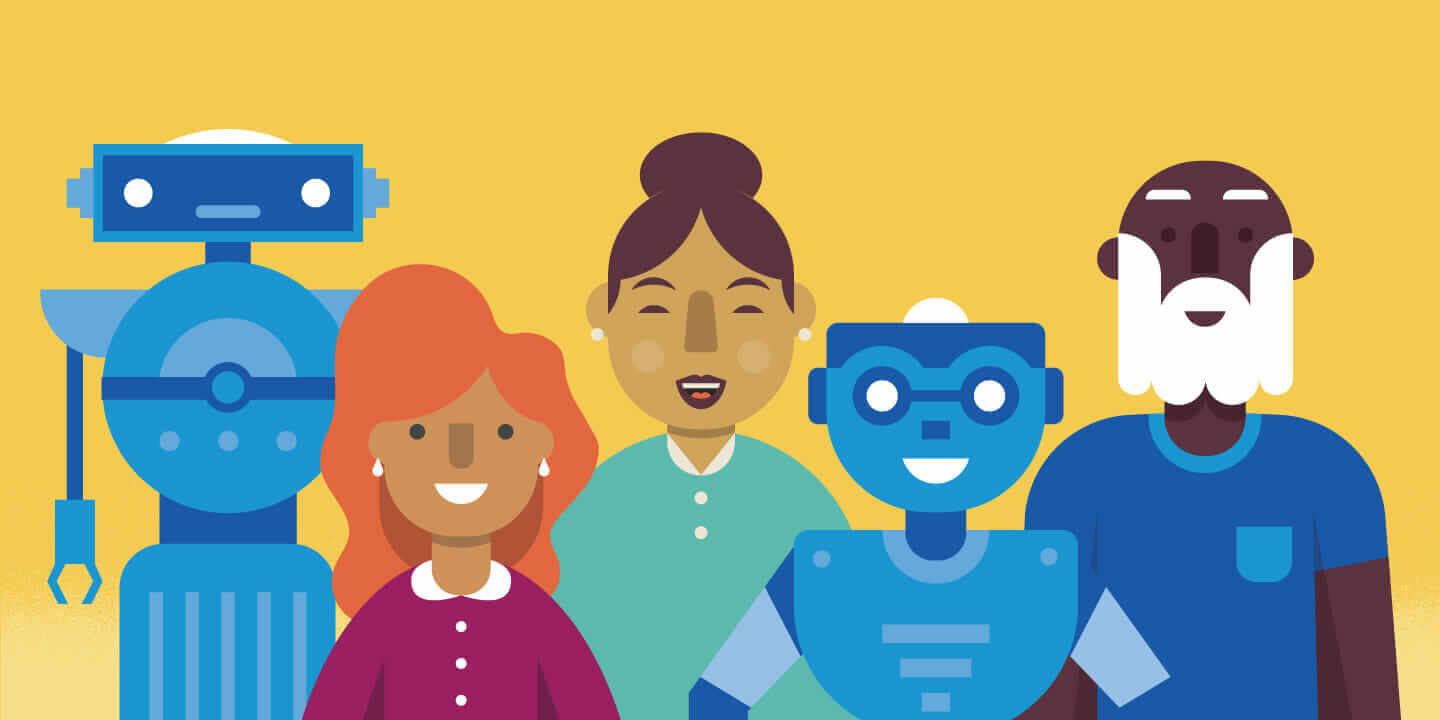
Changing the topic now, artificial intelligence is an area that is lacking diversity. A report from the AI Now Institute claims that due to an larger proportion of white males in the field, the technology is at risk of perpetuating power imbalances and historical biases. An article by Rachel England, of Engadget, claims that consequences can range from hate speech-writing chat-bots to racial prejudice in facial recognition. The report also found that only 20% of professors in AI were female, and that less than 4% of large tech companies like Google, Facebook, and Microsoft’s employees, were black. It will take great effort at every stage of AI, from research, to development, to marketing and sales, in order to solve this diversity issue.

 Peace Studies Blog