
Nationalism, as explained by Fareed Zakaria, is the sense of being proud of your nation. It also may mean placing your country in front of others, which is unfortunately seen more often these days instead of cooperation between nations. Nations, as stated in our discussion class, is a group of people who share the same history, geography, language, customs, and sometimes religion. In the US, they call nationalism a “melting pot”. However, nationalism is considered universal in that every individual belongs to a nation, yet each nation is completely distinct from other nations, much like how nationalism is different in Haiti, compared to the rest of the world. As of right now, the feeling or sensation of nationalism within Haitians is at a low point, considering the protest that have turned deadly, because of a massive scandal following the 2010 earthquake. Zakaria sees the danger in the rise of nationalism because it incites violence. Zakaria gives the example of a Chinese businessman he had a conversation with, and the businessman said how China should invade Taiwan if it ever declared its independence, or how Japan is an “aggressor nation that could never be trusted” (pg 35). I would say that there almost no examples of conflict between nation-states and tribal, ethnic, or religious groups only because most of the conflict seen now a days is between the people as a whole and the government.
Inequality is such a big problem in Haiti that it is now considered the most unequal country in Latin America and the Caribbean. Only because the richest 20% of its population holds more than almost 64% of its entire wealth, while the poorest 20% barely hold 1%. Inequality plays a very crucial role because it determines how people are treated in society. The poorest 20% are often seen on the crowded streets selling trinkets, clothes, bottled water, soda, etc., trying to make ends meet. Violence among the people of Haiti can often stem from inequality, because those who own all of the money don’t care for any of the poorest people. In 2012, Haiti’s GINI coefficient index stood at 41.10. While that isn’t the worst, it is certainly not the best at all. Considering the GINI coefficient for the United States is around 34.60, Haiti isn’t too far off from some first world countries. The results of inequality in Haiti can often be seen in the rural areas, where the roads aren’t paved, and there is a daily struggle to secure meals. Just in 2014, an extreme drought had increased food insecurity among the entire population of people living in rural areas. Of the 80% of extremely poor people that live in rural areas, 38% of those people aren’t able to satisfy their own nutritional needs. In July 17, 2018, President Jovenel Moïse’s administration decided to announce that the fuel prices in Haiti would be increasing. Unfortunately, the inequality seen is not being addressed correctly. Instead of investing money into the people and helping increase education efforts, the government decides to increase fuel prices. This does no good to the extreme poor in Haiti, who only make $1.30 a day. Not only the financial instability and low income, but the recurrent natural disasters that afflict Haiti do not help the poverty stricken become better.
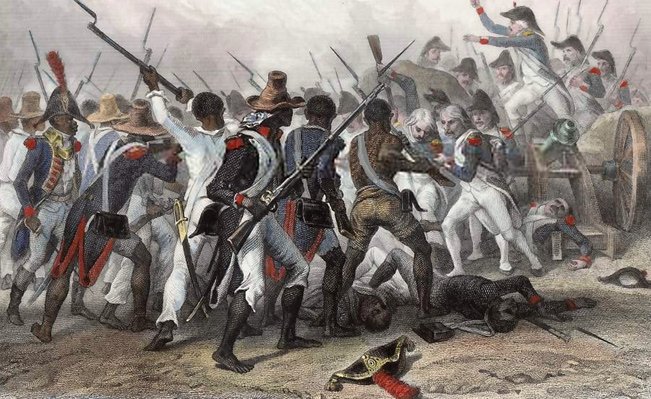
In the Post-American World, written by Fareed Zakaria, he mentions how nationalism has always perplexed Americans, because they believe that when they get involved in international affairs, its for the greater good, however, that’s not what Haiti thinks. History tells the story of how Haitian’s fought against French colonialism, and won their freedom, which only worried the US at the time because of slavery and how the plantations may react. This is how nationalism can often be portrayed differently, based on the cultures originating in said country.

 Peace Studies Blog