Recently I read an excerpt from Moral Ground: Ethical Action for a Planet in Peril, by an Inuit woman, Sheila Watt-Cloutier. The premise of the book is to bring light to the human rights issue of climate change. Specifically, circumstances due to climate change that put certain people, communities, and cultures at risk. If you search google for issues associated with climate change you will almost exclusively get results that mention degradation of environments, extinction of species, changes in weather patterns, and rising temperatures. As climate change has become an increasingly pressing issue, it has become even more interconnected with politics. As long as there is money to be made somewhere, there will be someone doing something to make that money, regardless of what it does to the environment. This is why businesses with deep pockets can lobby governments to not implement new policies, or even to deny climate change all together. The center argument that humans are ruining the planet is not the argument that needs to be made anymore. No matter how badly we treat Earth, it will be able to recover. Planet Earth can survive without humans, but humans cannot survive without Planet Earth. The argument that needs to be made is how climate change affects people.
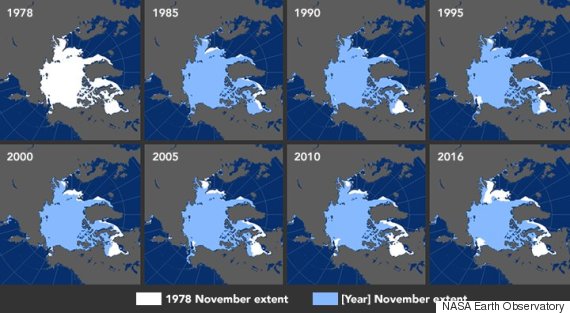
Sheila Watt-Cloutier goes into detail about the effects that climate change have had on her home environment. The Inuit live in the arctic circle, in parts of Alaska, Canada, Greenland, and Russia. Primarily dwelling on frozen ocean and permafrost, their main method of transportation is dog sled. This is the only area in the world where ice and snow can be used to travel efficiently on. Even within her lifetime, Cloutier has noticed such a rapid change in climate that she can no longer use the ice to travel, forcing some Inuit communities to relocate. “…eroded landscape, contaminated drinking water, longer sea-ice-free seasons, melting permafrost, (irregular snowfall), and new species of birds and fish…” are just some of the issues due to climate change that she lists.
What is currently being done to combat climate change? As more and more pressure is put on executives to use there pedestal to do something about climate change, changes will start to happen. However, worldwide protests and brute force are not the main driving force that will cause change. Now that new methods of clean energy are coming around and becoming just as profitable as traditional fossil fuels, large companies and governments are shifting focus. According to a report by Jessica Lowrey, some of the largest wealth management companies such as Vanguard, BlackRock, and Fidelity voted in favor of climate resolutions for the first time. Along with this, multiple oil giants, such as ExxonMobil, were forced by shareholders to disclose risks associated with climate change. Entire nations are pledging to no longer invest in fossil fuels. Countries such as Sweden and France are planning to phase out all greenhouse gas emissions by 2045, and many worldwide companies have committed to sourcing from 100% renewable energy.
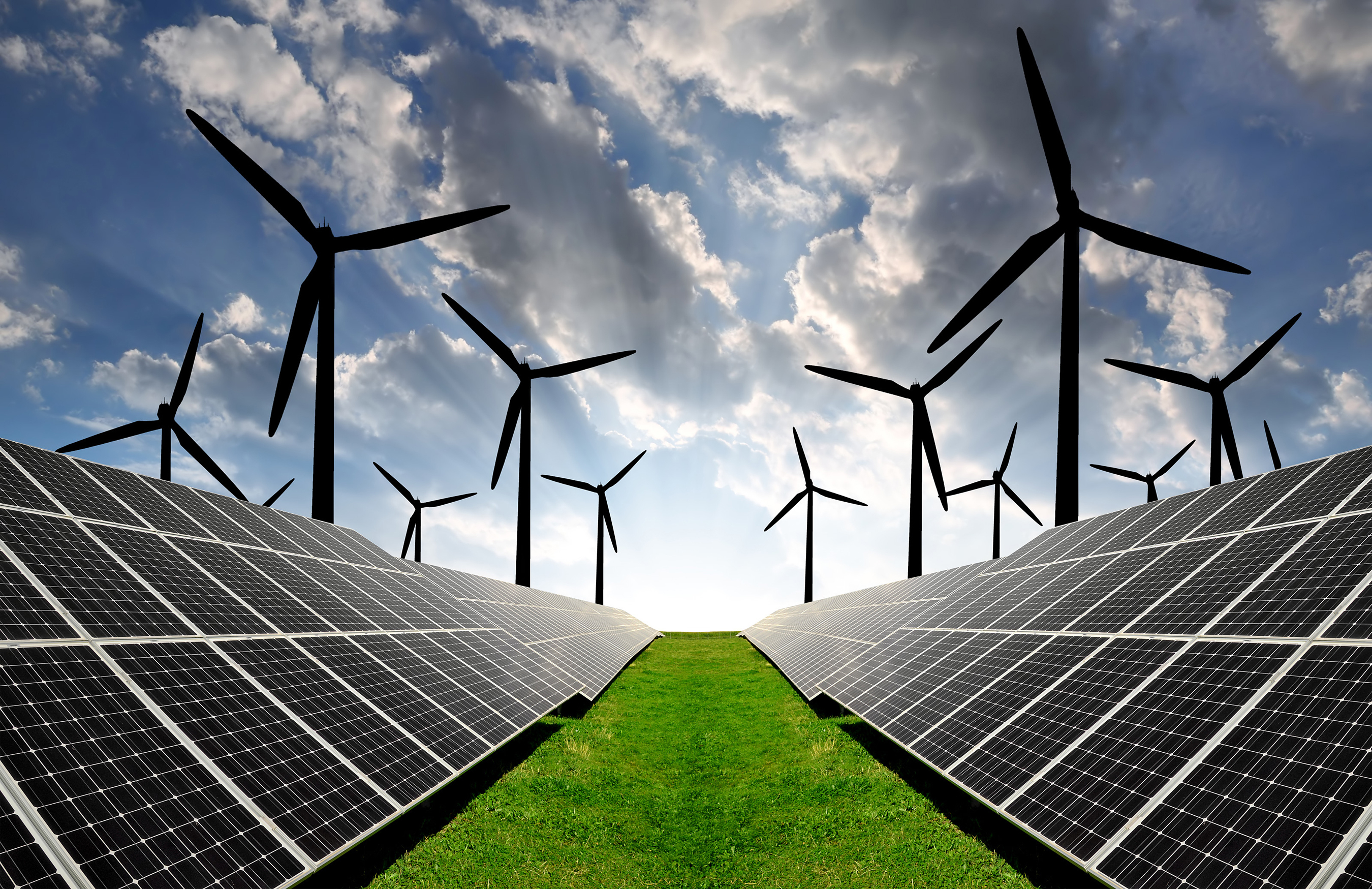
More so today than ever, sustainability requires innovation. With innovation, comes the opportunity to make money from investment. When governments, investors, and energy companies have ways of making money from renewable energy, they will not hesitate in doing so.
The Dominican Republic has its share of environmental issues. Its major issues include deforestation, water supply, and soil erosion. Because of the soil erosion, the coral reefs surrounding the island are being damaged as well, decreasing biodiversity. According to the UN, as of 1993, 20,000 hectares of forest (1 hectare = 100 acres) were being cut down each year due to commercial interests.
The Nature Conservancy is one of many environmental groups that works within the Dominican Republic to “protect its nature, preserve its life.” Some of the work they do includes protecting freshwater sources, protecting marine and coastal environments, and promoting sustainable fishing practices. Fundemar is another environmental organization working in the Dominican Republic to promote the sustainable use or marine resources and ecosystems. Overall, there seems to be a moderate amount of action being taken in the Dominican Republic to preserve the environment, but there is only so much can be done with limited resources.

 Peace Studies Blog